Rainbow Classroom: Infusing Color and Character into Textile Projects
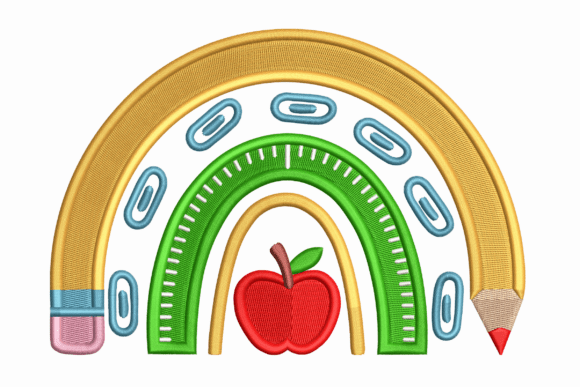
In the evolving landscape of textile customization, the intersection of education, art, and personal expression has given rise to vibrant new trends. One such trend that captures this spirit is the Rainbow Classroom embroidery design. This digital asset is not merely a pattern; it represents a movement toward adding personality and narrative to everyday fabrics. Whether you are a professional embroiderer looking to expand your catalog, an educator seeking to create engaging learning environments, or a hobbyist wanting to upgrade home linens, this design offers a versatile solution. By integrating a cheerful, artistic motif into t-shirts, towels, and decor, creators can transform mundane items into statement pieces that resonate with joy and creativity.
The Artistic Philosophy Behind the Design
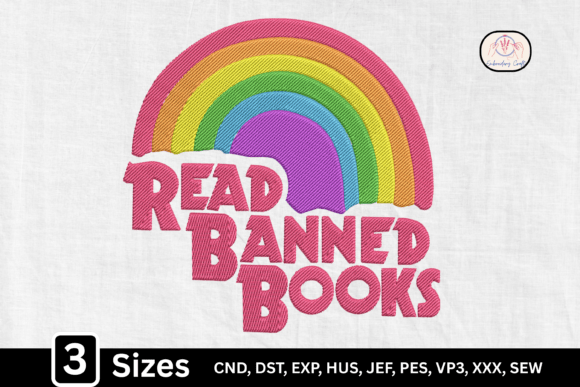
The concept of a "Rainbow Classroom" extends beyond simple color theory. It embodies an approach to design that prioritizes inclusivity, optimism, and visual engagement. In the context of machine embroidery, this translates to a complex yet balanced composition where multiple hues interact harmoniously. Unlike single-color monograms or stark geometric shapes, the Rainbow Classroom design utilizes a spectrum of threads to create depth and dimension. This layering technique is crucial for modern embroidery, as it mimics the way light interacts with physical objects, giving the stitched image a lifelike quality.
For designers and stitchers, understanding the philosophy behind such patterns is key to successful implementation. The design is crafted to be adaptable, meaning it can be scaled up for large banners or down for small garment tags without losing its structural integrity. The use of varied stitch types—such as satin stitches for outlines and fill stitches for background areas—ensures that the final product feels substantial and durable. This attention to detail is what separates a high-quality machine embroidery file from a basic print-and-stitch attempt.
Color Theory in Machine Stitching
When working with a multi-colored design like Rainbow Classroom, thread selection becomes a critical component of the workflow. The design leverages the psychological impact of color to evoke specific emotions. Red and orange tones often stimulate energy and excitement, while blues and greens provide a sense of calm and stability. By combining these elements, the design creates a dynamic visual rhythm that holds the viewer's attention. For those unfamiliar with thread mapping, the provided digitized files typically include precise color changes, ensuring that the machine executes the sequence correctly. However, experienced users may choose to substitute standard thread colors with metallics or variegated threads to add a unique twist to the classic rainbow palette.
Practical Applications Across Industries
The versatility of the Rainbow Classroom embroidery design makes it suitable for a wide array of applications. Its adaptability allows it to bridge the gap between commercial utility and personal sentiment. Below are several key sectors where this design demonstrates significant value.
- Educational Institutions: Schools and daycare centers often utilize custom textiles to foster a welcoming atmosphere. Embroidering the Rainbow Classroom logo on staff uniforms, classroom banners, or student backpacks creates a cohesive brand identity. It signals a commitment to diversity and creativity, making the learning environment feel more inviting for children and parents alike.
- Apparel Customization: For t-shirt manufacturers and boutique owners, this design offers a fresh alternative to screen printing. Embroidery adds texture and longevity to garments. A t-shirt featuring the Rainbow Classroom motif stands out in a crowded market because the raised stitching catches the light differently than flat ink. It is particularly popular for back-to-school merchandise, teacher appreciation gifts, and youth sports team gear.
- Home Decor and Linens: Homeowners and interior designers are increasingly turning to personalized textiles to reflect their values. Bath towels, throw pillows, and kitchen aprons adorned with this design bring a burst of color into neutral spaces. The durability of embroidered fabric means these items can withstand frequent washing, maintaining their vibrancy over years of use.
- Corporate Branding: Companies focused on wellness, creativity, or youth development may find this design aligns with their corporate ethos. Customizing promotional items like tote bags, caps, or hoodies with this motif can enhance employee morale and project a positive image to clients.
Technical Workflow and File Compatibility
One of the most significant advantages of the Rainbow Classroom machine embroidery design is its technical robustness. In the digital age, compatibility is often a hurdle for creators who own different brands of embroidery machines. This design addresses that challenge by being available in multiple file formats. Common formats include .PES for Brother and Babylock machines, .DST for Tajima and industrial hoops, .JEF for Janome, and .EXP for Bernina. This broad compatibility ensures that regardless of the hardware used, the digitized instructions remain accurate.
Optimizing the Stitching Process
To achieve the best results when running this design, proper preparation of the fabric and hoop is essential. Because the design features intricate details and color transitions, stabilizer choice plays a pivotal role. A cut-away stabilizer is generally recommended for stretchy fabrics like t-shirts to prevent puckering, while a tear-away stabilizer works well for stable materials like towels or canvas. The density of the stitches in the Rainbow Classroom pattern is calibrated to balance coverage and flexibility. If the fabric is particularly thick, such as denim or heavy cotton, users might need to adjust the needle size to accommodate the thread thickness without damaging the material.
Furthermore, the design includes built-in underlay stitches. These foundational layers help anchor the top stitches, preventing shifting during the sewing process. This feature is particularly beneficial for beginners who may struggle with registration issues. By following the machine's automatic threading sequence, even novice operators can produce professional-grade results. The ability to pause and re-thread efficiently is also facilitated by the design's structure, which groups similar colors together to minimize thread waste and machine downtime.
Enhancing Personal Expression Through Textiles
Beyond the technical specifications and commercial applications, there is a deeply personal aspect to using designs like Rainbow Classroom. In a world where mass-produced goods dominate, the act of customizing fabric through embroidery is a form of reclaiming individuality. When a creator chooses to stitch this design onto a towel or a shirt, they are making a deliberate statement about their values and aesthetic preferences. It transforms a functional object into a piece of art that tells a story.
This trend reflects a broader shift in consumer behavior where people seek products that offer emotional resonance. A hand-embroidered item carries a sense of care and effort that printed alternatives cannot replicate. For families, creating matching sets of towels or pajamas with the Rainbow Classroom motif can become a cherished tradition. For artists, it serves as a medium to explore color relationships and texture. The tactile nature of embroidery invites interaction; people want to touch the raised stitches, feeling the craftsmanship involved.
Cultural Relevance and Symbolism
The imagery of rainbows has long been associated with hope, diversity, and the promise of better days. In the context of a "classroom," this symbolism takes on added weight, representing a safe space for learning and growth. Incorporating this motif into textiles helps reinforce these messages visually. It serves as a constant reminder of the importance of inclusion and creativity. As society continues to prioritize mental well-being and community building, designs that promote positivity will likely see increased demand. The Rainbow Classroom design sits at the forefront of this cultural conversation, offering a tangible way to express support for these ideals.
Considerations for Long-Term Durability
While the aesthetic appeal of the Rainbow Classroom design is immediate, its longevity is equally important. Machine embroidery, when done correctly, is one of the most durable forms of decoration available. Unlike screen prints that can crack or peel over time, embroidered stitches are woven directly into the fabric fibers. This integration ensures that the design survives repeated laundering and wear. However, proper aftercare is necessary to maintain the vibrancy of the colors.
Users should follow specific washing guidelines to preserve the integrity of the embroidery. Washing garments inside out in cold water helps protect the stitches from friction against other clothes. Avoiding high heat in dryers prevents the shrinkage of the base fabric, which could distort the design. Ironing should be done with caution, preferably pressing from the reverse side to avoid flattening the raised texture of the stitches. By adhering to these practices, the Rainbow Classroom design can remain a vibrant part of the user's wardrobe or home decor for many years.
Future Trends in Embroidery Digitization
As technology advances, the possibilities for designs like Rainbow Classroom continue to expand. Newer embroidery machines offer higher speeds and greater precision, allowing for even more intricate details within the same footprint. Additionally, the rise of smart textiles and conductive threads suggests that future versions of such designs could incorporate interactive elements. While the current iteration focuses on visual beauty, the underlying digitization techniques pave the way for innovation.
The demand for customizable, high-quality embroidery files is expected to grow as consumers become more discerning about the products they purchase. Creators who master the nuances of digitizing colorful, complex patterns will find themselves at the forefront of this market. The Rainbow Classroom design exemplifies the potential of this medium, proving that with the right tools and creative vision, ordinary fabrics can be transformed into extraordinary expressions of character and style. Whether used in a bustling classroom, a cozy living room, or a trendy retail store, this design continues to inspire and delight.