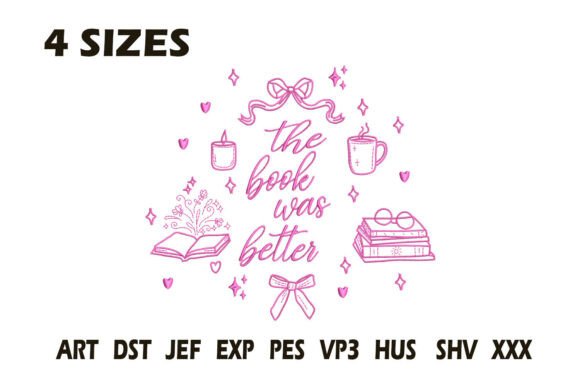
The Book Was Better Embroidery: A Whimsical Touch for Your Fabric Projects
In a world dominated by glowing screens and instant digital downloads, there is a growing appreciation for the tactile experience of turning pages. This sentiment has found a charming home in the crafting community through The Book Was Better Embroidery. This playful machine embroidery design captures the nostalgia of reading physical books, offering a delightful way to express literary love on various textiles. It is more than just a phrase stitched into fabric; it is a conversation starter, a badge of honor for bookworms, and a versatile element that can transform ordinary items into personalized treasures.
Capturing the Spirit of Reading in Thread
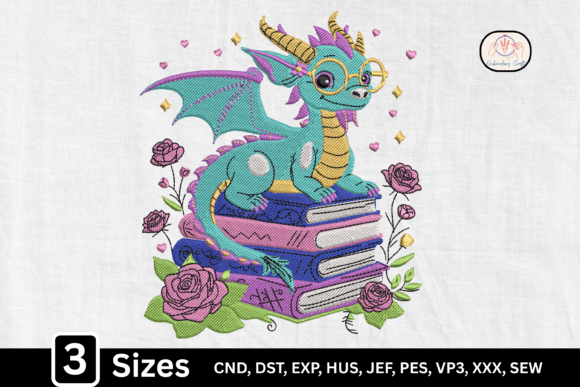
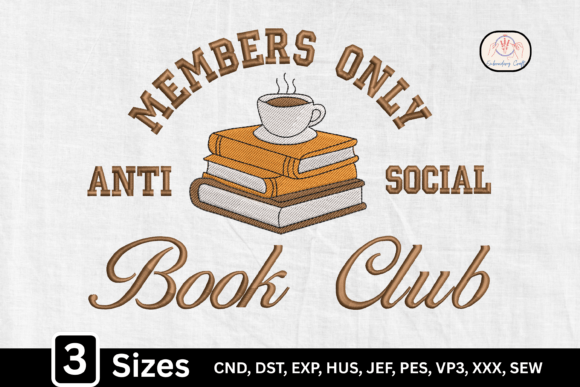
The Book Was Better Embroidery is designed with a whimsical aesthetic that appeals to anyone who finds comfort in the smell of old paper and the weight of a hardcover. The design typically features stylized typography, often accompanied by small illustrative elements like open books, glasses, or coffee cups, depending on the specific variation. Unlike rigid, corporate logos, this design breathes character. It invites the viewer to pause and appreciate the sentiment behind the words. When you stitch this onto a garment or a home accessory, you are not just adding decoration; you are embedding a piece of your personality into the item.
The charm lies in its adaptability. Whether you are using bold, contrasting threads for a statement piece or subtle, tonal stitches for a refined look, the design holds up beautifully. It bridges the gap between modern machine efficiency and the timeless art of hand-stitched storytelling. For those who spend hours at their sewing machines, this design offers a quick yet impactful project that yields high satisfaction.
Personalizing Apparel for the Literary Soul
One of the most popular applications for this design is on clothing, particularly t-shirts. Imagine walking into a coffee shop wearing a tee that proudly declares The Book Was Better. It instantly signals to fellow readers that you belong to their tribe. This makes it an excellent choice for creating custom apparel for book clubs, library volunteers, or teachers who want to spark interest in literature among their students.
- T-Shirt Customization: Placing the design on the back of a vintage-style tee creates a retro, band-merch look that is both trendy and meaningful. On the front pocket area, it acts as a subtle nod to your hobby.
- Hoodies and Sweatshirts: For colder weather, embroidering this phrase on the chest of a cozy hoodie adds a touch of intellectual flair to loungewear. It transforms a basic sweatshirt into something unique that feels like it was made specifically for you.
- Bookstore Merchandise: Independent bookstores often look for ways to sell unique merchandise. This design is perfect for staff uniforms or limited-edition tote bags sold during "Read Across America" events or local book festivals.
Beyond just looking good, these embroidered garments serve as icebreakers. They encourage conversations about favorite authors, genres, and recent reads, fostering a sense of community among strangers who share a passion for stories.
Enhancing Home Decor with Storytelling
While apparel gets all the attention, home decor offers a quieter canvas for The Book Was Better Embroidery. In the living room, bedroom, or even a dedicated reading nook, this design can elevate standard household items into curated pieces of art. The texture of the embroidery adds depth to soft furnishings, making them feel more inviting and lived-in.
Textiles That Tell a Tale
Consider the impact of stitching this design onto a set of linen napkins for your dining table. Guests will notice the detail immediately, sparking questions about your hobbies before the meal even begins. Similarly, placing the embroidery on the corner of a throw pillow adds a focal point to a neutral sofa arrangement. It suggests that the space is used for relaxation and contemplation.
Towels are another excellent medium. A bath towel with this playful phrase hanging in a bathroom adds a layer of humor and personality to a functional space. It turns a mundane object into a daily reminder to slow down and enjoy life's simple pleasures, like a good book and a warm shower. For parents, stitching this onto children's pajamas or blankets can be a sweet way to encourage bedtime reading routines, subtly reinforcing the idea that books are special.
Versatility Across Industries and Occasions
The appeal of this design extends beyond personal use into professional and commercial contexts. Small businesses in the creative sector can leverage The Book Was Better Embroidery to brand their products. A stationery shop might use it on fabric pencil cases, while a craft fair vendor could feature it on handmade aprons. The design resonates with the values of creativity, education, and mindfulness, making it suitable for a wide range of audiences.
Event planners also find value in this motif. Wedding favors for couples who met in a library or bookstore can feature this design on handkerchiefs or guest towels. It adds a personalized, thematic touch that goes beyond generic monograms. Similarly, retirement gifts for librarians or professors often benefit from this kind of witty, affectionate tribute that acknowledges their lifelong dedication to literacy.
Practical Considerations Before You Stitch
While the design is versatile, achieving the best results requires some forethought regarding the materials and machinery involved. Since this is a machine embroidery design, understanding your equipment's capabilities is crucial. Most modern embroidery machines handle text-based designs well, but the size and density of the stitches matter.
First, consider the fabric weight. Lightweight fabrics like silk or thin cotton may require a stabilizer to prevent puckering around the letters. Heavier materials like denim or canvas hold the thread structure beautifully without much extra support. The file formats included with The Book Was Better Embroidery usually cover the major brands (such as PES, DST, JEF, and XXX), ensuring compatibility with most hoop sizes and machine types. However, always do a test run on a scrap piece of fabric first.
Thread choice plays a significant role in the final look. Metallic threads can make the design pop on dark backgrounds, while matte cotton threads offer a softer, more organic feel that complements natural fibers. Be mindful of the color contrast; the message needs to be legible from a distance. If you are using a very busy patterned fabric, the embroidery might get lost, so solid colors or subtle textures often work best to let the design shine.
Strengths and Limitations of the Design
The primary strength of The Book Was Better Embroidery is its emotional resonance. It connects with a universal feeling of nostalgia and appreciation for traditional media. It is durable, unlike printed graphics that can crack or fade over time, ensuring the message remains clear after countless washes. The inclusion of multiple file formats removes technical barriers, allowing users with different machines to participate in the trend easily.
However, there are limitations to keep in mind. Text-heavy designs can sometimes suffer if the hoop is too tight or if the fabric shifts during stitching, leading to misaligned letters. Additionally, because the design relies on a specific cultural reference, it may not resonate with every audience. It is most effective when used in contexts where the recipient appreciates literature or irony. It is less suitable for formal corporate environments unless the culture is distinctly relaxed and creative.
Ultimately, this embroidery design is a tool for expression. Whether you are gifting a personalized tote bag to a friend, upgrading your own wardrobe, or creating inventory for a small business, The Book Was Better Embroidery brings a bit of magic to the everyday. It reminds us that while technology moves fast, the joy of a well-told story remains timeless, and now, that joy can be carried with you wherever you go, stitched right into the fabric of your life.