Booktrovert: Integrating Whimsical Embroidery into Your Creative Workflow
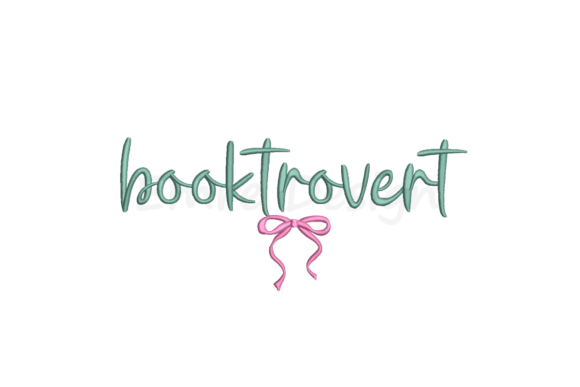
In the landscape of modern creative entrepreneurship, the intersection of digital planning and tangible production is where value is often realized. For professionals ranging from small business owners to hobbyist designers, the ability to seamlessly transition from concept to finished product defines operational efficiency. Booktrovert represents a specific asset within this ecosystem: a charming, whimsical embroidery design intended to spruce up fabrics with personality. Whether applied to t-shirts, towels, or home decor items, this design serves as more than just an aesthetic addition; it is a functional component of a broader production workflow.
Understanding how to integrate Booktrovert into your existing processes requires a shift in perspective. It is not merely a file to be downloaded and stitched; it is a variable in a system that includes material selection, machine calibration, quality control, and brand identity management. By treating this embroidery design as a strategic tool rather than a passive decoration, creators can enhance consistency, streamline execution, and deliver higher-quality outcomes for their clients or personal projects.
Defining the Role of Booktrovert in Production Planning
Before any physical work begins, the planning phase dictates the success of the final output. In this stage, Booktrovert fits into the decision-making matrix regarding product differentiation. For a boutique owner deciding on a seasonal collection, or a freelancer offering custom gifts, the choice of design must align with the target demographic and the intended use case. The whimsical nature of the Booktrovert design appeals to adults seeking a touch of nostalgia or playfulness in their everyday items, making it a versatile asset for various market segments.
During the pre-production phase, the availability of multiple embroidery file formats becomes a critical factor in workflow compatibility. A robust creative process relies on tools that do not create bottlenecks. If a design is locked into a single proprietary format, it limits the range of machines that can be used, potentially delaying production if specific equipment is unavailable. Booktrovert addresses this by providing a suite of compatible files, ensuring that whether you are using a domestic hoop machine or an industrial multi-head unit, the design remains accessible. This flexibility allows teams to maintain momentum without waiting for file conversions or troubleshooting compatibility errors.
Furthermore, the integration of this design into a project plan involves assessing the substrate. The whimsical elements of the pattern interact differently with cotton t-shirts compared to terry cloth towels or linen home decor accents. A practical workflow requires testing the design on sample materials before full-scale production. This step ensures that the stitch density and pull compensation are appropriate for the fabric weight, preventing puckering or distortion that could compromise the professional finish of the item.
Execution: From Digital File to Physical Product
The execution phase is where the theoretical benefits of Booktrovert translate into tangible results. This stage demands precision and adherence to established protocols to ensure the whimsical charm of the design is preserved in its physical form. When loading the file into an embroidery machine, the operator must verify that the correct format has been selected for the specific hardware. While the design supports multiple formats, selecting the wrong one can lead to registration errors or incomplete stitching.
Efficiency in this stage is achieved through organization. Keeping the Booktrovert files organized within a centralized digital asset management system prevents version confusion. Many creators make the mistake of saving duplicate versions with slightly different names, leading to wasted time searching for the correct file during a rush order. By maintaining a clear directory structure—perhaps categorizing by application type (e.g., apparel vs. home goods)—teams can retrieve the necessary assets instantly.
Machine setup also plays a pivotal role. The whimsical lines of the Booktrovert design may require specific stabilizer choices to maintain definition. For stretchy fabrics like t-shirts, a cut-away stabilizer might be necessary to prevent the stitches from distorting over time. Conversely, for rigid items like tote bags or home decor pillows, a tear-away stabilizer could suffice. Understanding these interactions between the design, the fabric, and the support materials is essential for quality control. A well-executed stitch job elevates the perceived value of the product, turning a simple towel or shirt into a premium item.
Optimizing Machine Settings for Consistency
To achieve consistent results across a batch of items, standardization of machine settings is non-negotiable. When using Booktrovert, operators should document the tension settings, needle type, and thread brands used for successful test runs. This documentation becomes part of the standard operating procedure (SOP) for that specific design. If a team member needs to run the job later, they can replicate the exact conditions, ensuring that every piece looks identical. This level of detail is what separates amateur crafters from professional producers.
Thread selection also impacts the final outcome. The whimsical nature of the design suggests a need for vibrant or soft colors depending on the brand palette. Using high-quality polyester or rayon threads ensures that the colors remain bright after washing and that the sheen of the thread complements the texture of the fabric. Testing color combinations before committing to a large run helps avoid costly mistakes, particularly when the design is intended for branding purposes where color accuracy is paramount.
Post-Production and Long-Term Asset Management
Once the stitching is complete, the workflow moves to finishing and quality assurance. Inspecting the Booktrovert designs for skipped stitches, loose threads, or alignment issues is a mandatory step before the items are packaged or shipped. This quality control check protects the reputation of the creator or business. A single flawed product can undermine the perception of the entire brand, especially in the competitive markets of custom apparel and home decor.
Long-term use of the Booktrovert design requires ongoing maintenance of both the digital files and the physical inventory of materials. As trends shift, the whimsical style may become a staple or evolve into a limited edition offering. Keeping the file formats updated ensures compatibility with future machine models. Additionally, archiving successful production notes allows for rapid reactivation of the design if demand spikes seasonally or for special events.
For entrepreneurs scaling their operations, the versatility of this design allows for cross-platform application. The same whimsical motif can appear on promotional t-shirts for a conference, branded towels for a hotel partnership, or decorative pillows for a retail line. This adaptability maximizes the return on investment for the design license or purchase. By integrating Booktrovert into a diverse product portfolio, businesses can leverage a single creative asset to drive sales across multiple channels without the overhead of developing entirely new graphics for each category.
Strategic Integration for Diverse User Profiles
Different users will approach the implementation of Booktrovert based on their specific goals. Educators might use the design to teach students about textile arts, focusing on the technical aspects of digitization and machine operation. Bloggers and content creators can utilize the finished products to generate visual content, showcasing the transformation of plain fabrics into personalized items. For marketers, the design offers a unique angle for campaigns centered on self-expression and individuality.
Freelancers and small business owners benefit most from the efficiency gains provided by the multi-format compatibility. The ability to switch between machines without losing data means less downtime and faster turnaround times for client orders. In a fast-paced environment where deadlines are tight, having a reliable, pre-tested design like Booktrovert reduces the risk of last-minute technical failures. It allows the creator to focus on customer service and business growth rather than troubleshooting software issues.
Ultimately, the value of Booktrovert lies in its seamless integration into a structured, thoughtful workflow. It is not just about adding a cute image to a piece of fabric; it is about executing a process that delivers consistent, high-quality results. By approaching the design with a mindset focused on preparation, compatibility, and quality control, users can maximize its potential. Whether for a one-off gift or a mass-produced collection, the principles of effective implementation remain the same: plan carefully, execute precisely, and manage resources efficiently. This disciplined approach ensures that the whimsical charm of the embroidery translates into lasting satisfaction for both the maker and the end-user.