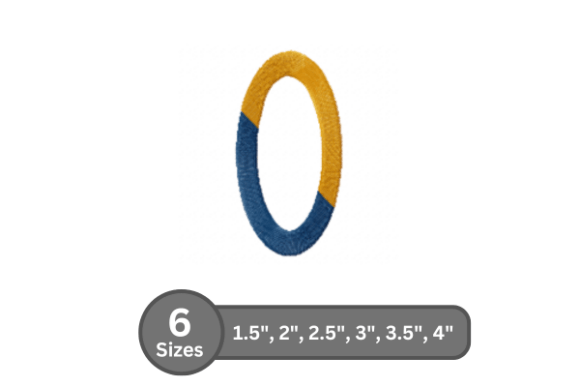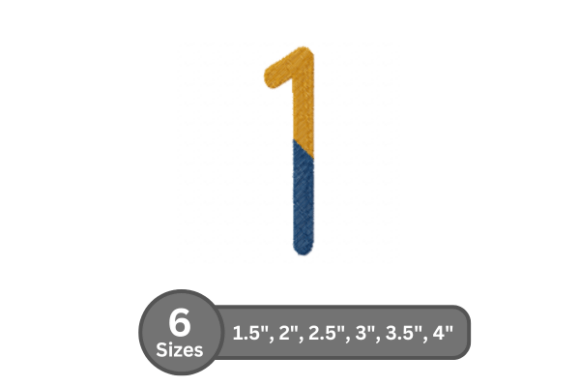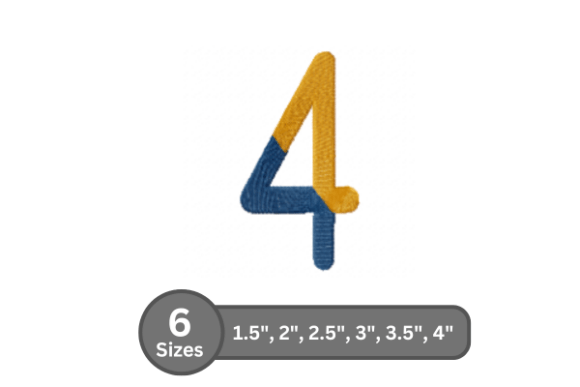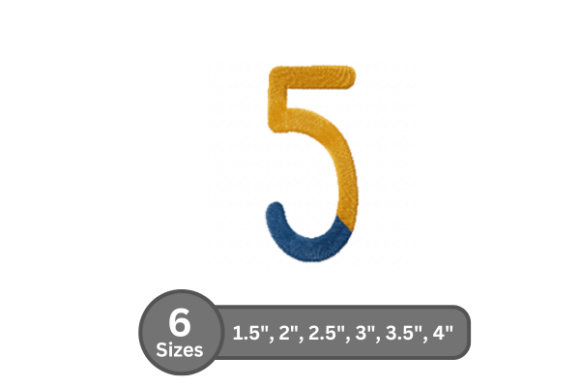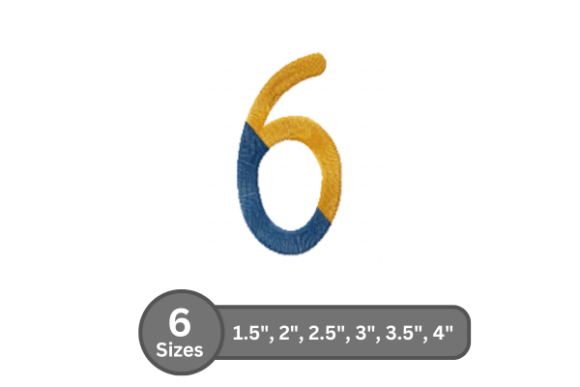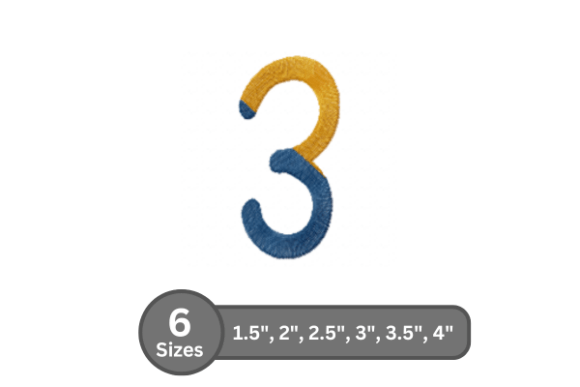
Evaluating Chalk Split Number -3 for Embroidery Projects
In the realm of machine embroidery, the selection of a digitized font often dictates the visual impact and technical success of a finished piece. Chalk Split Number -3 represents a specific category of fill stitch fonts designed to mimic the aesthetic of bold, hand-stitched lettering while leveraging the precision of modern embroidery machines. This article provides an objective evaluation of this font, analyzing its design characteristics, practical applications, and the considerations necessary for successful implementation.
Understanding the Design and Structure
Chalk Split Number -3 is not merely a digital typeface; it is a pre-digitized embroidery file set. The "fill stitch" designation indicates that the letters are constructed using dense satin or fill stitches rather than simple outlines. This construction method creates a solid, textured appearance that resembles traditional heavy-duty stitching often found on workwear, sports jerseys, or vintage home textiles. The "Split" aspect of the name suggests a stylistic choice where the strokes may appear segmented or have a distinct texture that breaks up the visual mass, preventing the lettering from looking like a flat block of thread.
The digitization process for this font focuses on smooth stitching mechanics. In machine embroidery, complex curves and tight corners can lead to thread bunching, puckering, or needle breakage if the underlying code is not optimized. A carefully digitized font ensures that the stitch density, underlay, and pull compensation are balanced. This balance is critical for maintaining the integrity of the fabric, particularly when working with materials that have less stability, such as knits or towels.
Reasons for Interest in Fill Stitch Fonts
Crafters and professionals alike seek out fonts like Chalk Split Number -3 for several practical reasons. First, there is the demand for legibility. Unlike script or cursive fonts, which can be difficult to read at small sizes, bold fill fonts offer high contrast and clear character definition. This makes them ideal for projects where text needs to be seen from a distance, such as team names on bags or identification labels on uniforms.
Second, the versatility of size is a significant draw. Because the font is available in multiple sizes, it allows for scalability without a loss of quality. A user can embroider a single initial for a monogram on a pocket square or expand the same design to cover the back of a tote bag. This scalability reduces the need to purchase multiple variations of the same style, streamlining the inventory for those who manage a library of embroidery files.
Finally, the "classic and bold" aesthetic appeals to those aiming for a timeless look. While trends in embroidery shift toward minimalist line art or intricate shading, the heavy, stitched look remains a staple in custom apparel and home décor. It conveys durability and craftsmanship, qualities that are highly valued in both commercial and personal projects.
Benefits and Practical Advantages
The primary benefit of using a professionally digitized font like Chalk Split Number -3 is time efficiency. Creating a fill stitch font from scratch requires advanced knowledge of digitizing software, including the ability to manipulate stitch angles, density, and trim commands. By utilizing a pre-made file, the user bypasses the learning curve associated with technical digitization, allowing them to focus on design placement and material selection.
Another advantage is consistency. When a font is carefully digitized, every instance of a letter will stitch identically, provided the machine settings remain constant. This consistency is vital for production runs where uniformity across dozens or hundreds of items is required. The smooth stitching characteristic mentioned in the design description helps minimize thread waste and reduces the frequency of machine stoppages caused by thread jams.
Furthermore, the multi-size availability supports creative flexibility. Users can mix and match sizes within a single project—for example, using a large version of the font for a surname and a smaller version for initials—creating a dynamic hierarchy in the design without compromising the structural integrity of the stitches.
Tradeoffs and Technical Considerations
Despite its advantages, there are tradeoffs to consider when selecting a fill stitch font. The most notable is thread consumption. Fill stitches use significantly more thread than outline or running stitch fonts. For long words or large designs, this can increase material costs and require more frequent bobbin changes. Additionally, the density of the stitches adds weight to the fabric. On lightweight materials like thin cotton or silk, a heavy fill font can cause noticeable puckering or stiffness unless appropriate stabilizers are used.
Stitch count is another factor. High-density fonts take longer to embroider. If a project involves tight deadlines or high-volume production, the increased stitch count of Chalk Split Number -3 must be factored into the timeline. While the result is robust, the speed of production may be slower compared to lighter weight fonts.
Furthermore, the "split" aesthetic, while visually interesting, may not suit every design context. In formal or ultra-minimalist applications, the textured look might appear too rustic or casual. Evaluators should consider whether the specific texture aligns with the brand identity or personal style they wish to convey.
Ideal Applications and Scenarios
Chalk Split Number -3 is a strong fit for specific types of projects where durability and visibility are paramount. It excels on medium-to-heavyweight fabrics such as denim jackets, canvas tote bags, fleece hoodies, and terry cloth towels. These materials can support the weight and tension of the fill stitches without distorting.
It is also well-suited for personalized gifts and home décor items where a tactile, handmade feel is desired. Embroidering names on kitchen aprons, bath mats, or pillow covers benefits from the boldness of the font, ensuring the text stands out against patterned backgrounds. For businesses, this font works effectively for logo reinforcement on workwear or promotional items where a rugged, professional image is required.
When Alternatives May Be Preferable
There are situations where choosing a different font style would be more prudent. If the project involves very delicate fabrics, such as chiffon, organza, or fine linen, a lighter running stitch or a sparse satin stitch font would prevent damage to the material. Similarly, if the goal is to create a subtle, elegant monogram on a dress shirt cuff, the bold nature of Chalk Split Number -3 might be overpowering.
Additionally, for projects requiring extremely high detail or very small text (under 0.5 inches), fill stitch fonts generally struggle to maintain clarity. In these cases, a specialized micro-lettering font designed for low stitch counts would yield better results. Finally, if the budget for thread is strictly limited, or if the project requires rapid turnaround times, a simpler font with fewer stitches would be a more efficient choice.
Decision-Making Insights
To determine if Chalk Split Number -3 aligns with your goals, begin by assessing the substrate. Will the fabric hold the weight of the design? Next, consider the viewing distance and the importance of legibility. If the text needs to be read quickly and clearly, this font is likely a suitable candidate. Finally, evaluate the resources available: do you have sufficient thread, stabilizer, and machine time to accommodate a denser design?
By weighing these factors, crafters can make informed decisions that balance aesthetic desires with technical realities. Whether for personal hobbies or commercial ventures, understanding the specific attributes of a digitized font ensures that the final product meets expectations for quality and professionalism.