Mastering Textured Fabrics: The Strategic Value of Alphabet with Knockdown Stitch Background
In the rapidly evolving landscape of machine embroidery, the ability to adapt designs to diverse substrates is no longer a niche skill; it is a fundamental requirement for professional success. As consumers increasingly demand personalized goods ranging from luxury bath linens to custom athletic wear, embroiderers face a persistent technical challenge: how to maintain clarity and definition on high-pile or textured fabrics. This is where the Alphabet with Knockdown Stitch Background emerges as a critical asset in the modern creator's toolkit. By addressing the specific physics of fabric interaction, this design approach transforms what was once a limitation into a canvas for high-end customization.
The Mechanics of Clarity: Understanding Knockdown Stitch Technology
To appreciate the utility of an Alphabet with Knockdown Stitch Background, one must first understand the mechanics of embroidery on challenging surfaces. When stitching onto materials like fleece, terry cloth towels, or boucle, the standard satin stitch often fails because the needle cannot penetrate deeply enough to anchor the thread against the fabric's loft. Without intervention, the letters appear fuzzy, indistinct, or partially obscured by the fabric pile.
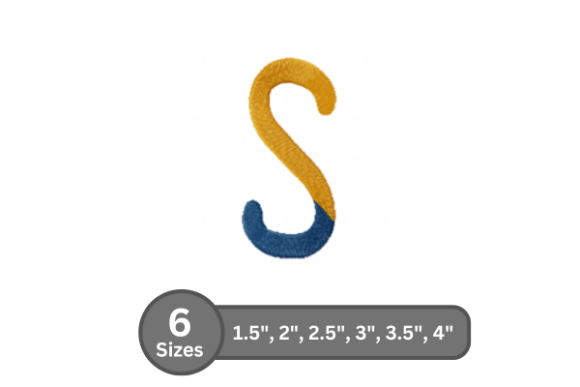
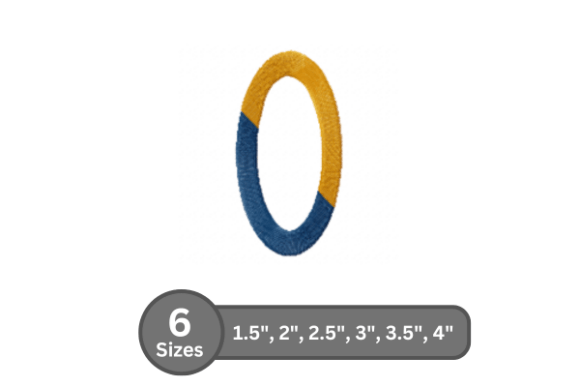
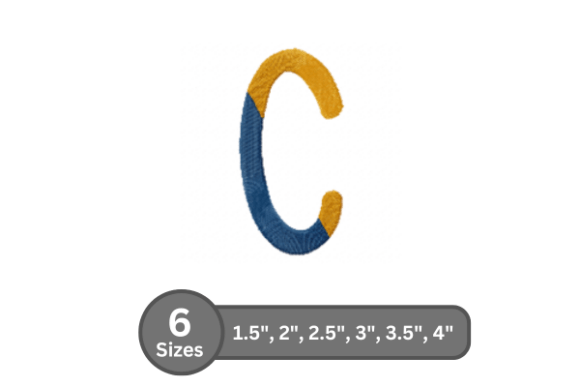
The solution lies in the knockdown layer. This technique involves a preliminary layer of dense, low-tension stitching that physically flattens the fibers of the fabric before the actual letter design is applied. In the context of this specific 26-letter uppercase set, the knockdown background acts as a foundation, creating a smooth, stable surface. This ensures that the subsequent layers of thread sit flush against the material rather than floating above it. The result is a crisp, legible monogram that retains its structural integrity even after repeated washing or heavy use.
Why Avalon is Non-Negotiable for Top Coverage
A critical component of executing this design successfully is the choice of stabilizer on the top side of the fabric. While many general-purpose stabilizers exist, the instructions for this specific Alphabet with Knockdown Stitch Background explicitly state that using Avalon on top is absolutely necessary. This is not merely a suggestion but a technical imperative.
Avalon, a water-soluble topping, serves multiple functions in this workflow. It prevents the needle from pushing the fabric pile up during the initial knockdown phase, ensuring the compression is uniform. Furthermore, it keeps the threads of the upper layers from sinking into the fabric texture, preserving the sharp edges of the letterforms. Once the embroidery is complete, the Avalon dissolves in water, leaving behind only the clean, defined stitching without any residue. For professionals aiming for a premium finish, skipping this step compromises the entire aesthetic and functional value of the project.
Strategic Implementation: Stabilization and Workflow
Beyond the top layer, the stability of the backing is equally vital for the longevity of the design. The recommended protocol for the bottom layer involves either two layers of Soluvlies water-soluble stabilizer or a single layer of tear-away stabilizer. This flexibility allows creators to tailor their workflow based on the specific weight and texture of the fabric being used.
- Double Soluvlies: Ideal for very heavy or thick textiles where maximum support is needed to prevent puckering. The dual layers ensure the fabric remains perfectly flat during the high-density knockdown process.
- Single Tear-Away: A viable option for lighter textured fabrics where speed and ease of removal are prioritized, provided the tension settings are adjusted correctly.
This attention to detail reflects a broader shift in the embroidery industry toward precision engineering. Modern entrepreneurs and freelancers are moving away from "one-size-fits-all" digitizing approaches. Instead, they are adopting specialized kits that account for the nuances of different materials. The inclusion of multiple embroidery file formats in this set further underscores this trend, ensuring compatibility across a wide range of machine brands and models. Whether you are operating a Brother, Bernina, Janome, or Tajima machine, the ability to seamlessly integrate these files into your production line minimizes downtime and maximizes output quality.
Market Trends: The Rise of Personalized Luxury
The resurgence of interest in monogramming and personalized gifting is driving significant demand for high-quality embroidery solutions. We are witnessing a consumer shift away from mass-produced generic items toward bespoke products that tell a story. A personalized bathroom set, a monogrammed fleece jacket, or a custom-branded towel is no longer just a novelty; it is a statement of identity and status.
However, the market for these goods is becoming increasingly discerning. Consumers expect the same level of finish on a soft, fluffy towel as they do on a crisp cotton shirt. This expectation places immense pressure on creators to deliver flawless results on difficult fabrics. The Alphabet with Knockdown Stitch Background directly addresses this market need by bridging the gap between creative vision and technical execution.
For small business owners and Etsy sellers, this capability opens new revenue streams. Imagine offering a "Luxury Towel Monogramming" service that guarantees crisp lettering on plush spa-grade terry cloth. Without the knockdown technology, such a service would be fraught with risk and potential returns. With it, it becomes a reliable, scalable product line. This aligns with the broader economic trend where micro-entrepreneurs leverage specialized skills to carve out profitable niches in saturated markets.
Workflow Efficiency for the Modern Creator
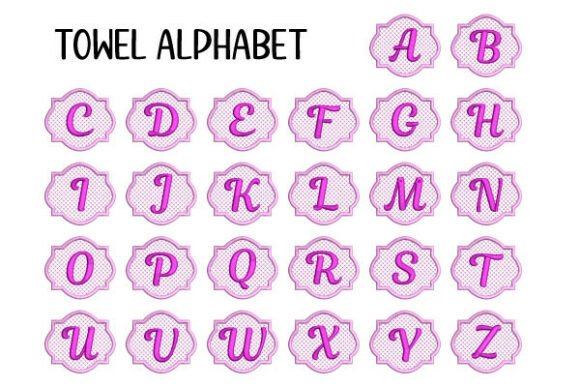
In the fast-paced environment of freelance embroidery, time is currency. Designing a custom knockdown layer for every single project is time-consuming and prone to error. Pre-digitized sets like this alphabet collection streamline the workflow significantly. By providing a ready-to-use library of all 26 uppercase letters, the design eliminates the need for manual digitization of the foundational layer.
This efficiency allows professionals to focus on higher-value tasks, such as client consultation, color selection, and marketing. It represents a move toward modular creativity, where complex outcomes are achieved through the intelligent combination of standardized, high-quality components. For studios handling high-volume orders, such as wedding favors or corporate gifts, this consistency is paramount. It ensures that the hundredth monogram looks exactly as perfect as the first.
Connecting Technology to Consumer Expectations
The evolution of embroidery software and hardware has made sophisticated techniques more accessible, yet the human element of material knowledge remains irreplaceable. The specific instruction to use Avalon and the recommendation for Soluvlies highlight a deep understanding of material science. It acknowledges that digital files alone cannot solve physical problems; the physical tools must match the digital intent.
As we look forward, the integration of such specialized designs into standard workflows will likely become the norm. The distinction between "basic" and "advanced" embroidery is blurring, replaced by a spectrum of specialization. Creators who master these nuanced techniques—understanding not just how to stitch, but what to stabilize and why—will define the next generation of textile artistry.
Furthermore, the availability of multilingual support, such as the included instructions in German, signals a global marketplace. It suggests that these tools are designed for an international community of makers, facilitating cross-border collaboration and commerce. Whether you are a freelancer in Berlin or a studio owner in New York, the principles of successful textured embroidery remain universal, driven by the shared goal of excellence.
Conclusion: Elevating the Craft
The Alphabet with Knockdown Stitch Background is more than just a collection of digitized letters; it is a strategic tool for navigating the complexities of modern textile customization. By combining precise engineering with practical material recommendations, it empowers professionals to tackle the most challenging fabrics with confidence. As the demand for personalized, high-quality goods continues to grow, the ability to deliver crisp, durable monograms on textured surfaces will distinguish the leaders in the field from the followers.
For entrepreneurs, marketers, and enthusiasts alike, embracing these advanced techniques is essential. It is about respecting the medium, understanding the audience, and leveraging technology to create tangible value. In an era where personalization is king, the clarity of a single letter can make all the difference.