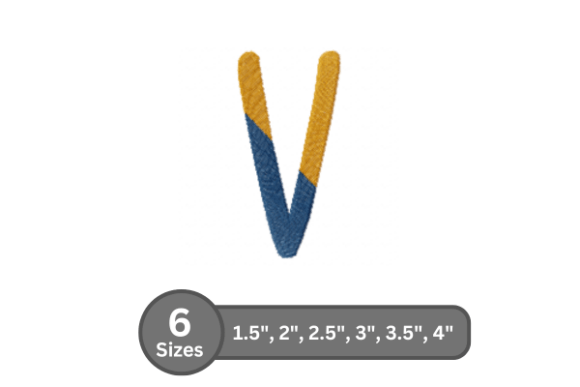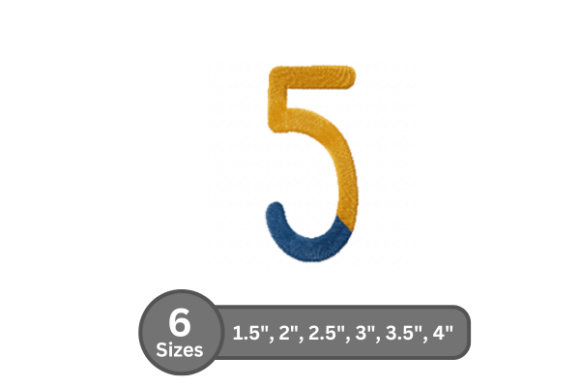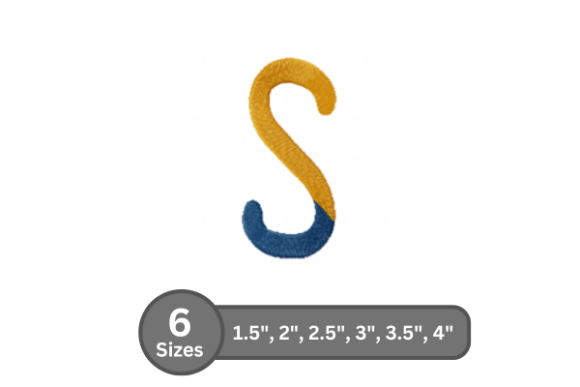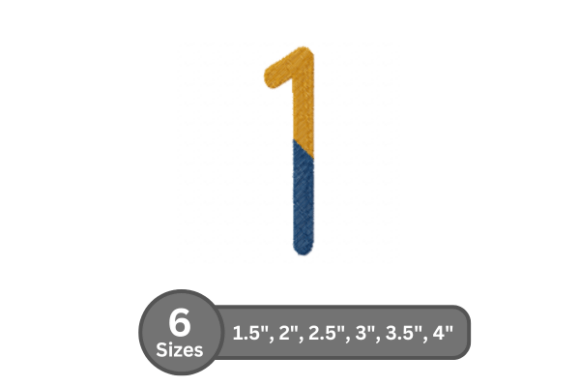
Chalk Split Alphabet - C: A Practical Guide to Professional Fill Stitch Embroidery
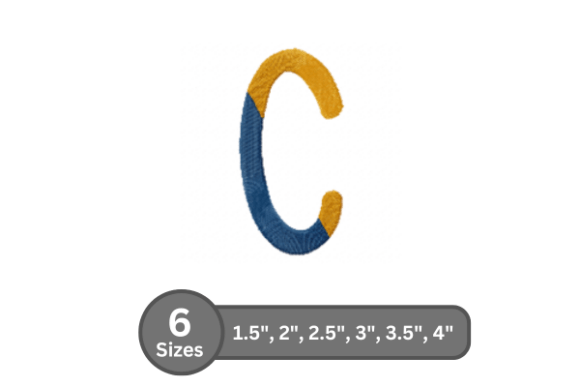
In the realm of custom textile design, the choice of font often dictates the success of a project. It is not merely about aesthetics; it is about how the digital design translates into physical thread on fabric. Chalk Split Alphabet - C represents a specific solution for creators who need a bold, classic look without sacrificing stitch quality. This fill stitch embroidery font is carefully digitized to ensure smooth stitching and professional results, making it a critical asset for anyone managing an embroidery workflow. Whether you are a small business owner personalizing uniforms or a hobbyist creating home décor, understanding how to integrate this font into your process is essential for consistent, high-quality output.
Understanding the Digitization Behind the Design
Before integrating any new asset into a production line, it is vital to understand its technical foundation. Chalk Split Alphabet - C is built on a fill stitch architecture. Unlike satin stitches, which rely on parallel lines of thread, fill stitches use a dense, zigzag pattern to cover an area. This technique provides opacity and durability but requires precise digitization to prevent issues like puckering, thread breakage, or poor definition.
The "carefully digitized" aspect of this font means that the underlying code has been optimized for machine logic. The pull compensation, underlay settings, and stitch density have been calculated to work with standard embroidery machines. When you load this file, you are not just loading a shape; you are loading a set of instructions designed to interact predictably with your hoop, stabilizer, and thread tension. This reliability allows professionals to plan their projects with confidence, knowing that the lettering will render as intended across different runs.
Integrating the Font into Your Production Workflow
For entrepreneurs and designers, the workflow surrounding embroidery involves several distinct phases: concept, preparation, execution, and finishing. Chalk Split Alphabet - C fits seamlessly into each stage, offering versatility that supports both single-item customization and bulk production.
Pre-Production Planning and Compatibility
The first step in using this font effectively is verifying compatibility with your existing software and hardware. Most modern embroidery machines accept standard file formats such as .PES, .DST, or .JEF. Before committing to a large batch, test the font on a scrap piece of the actual fabric you intend to use. This trial run helps you determine if the default settings require adjustment based on the material's weight and weave.
During the planning phase, consider the scale of your project. Since each letter comes in multiple sizes, you can adapt the design for various applications without compromising legibility. For instance, a monogram on a handkerchief requires a smaller, tighter configuration than a name on a tote bag. The ability to resize the Chalk Split Alphabet - C while maintaining stitch integrity saves time during the setup process, eliminating the need to manually adjust complex stitch parameters for every size variation.
Execution and Material Selection
Once the design is loaded onto the machine, the focus shifts to material interaction. Fill stitch fonts demand adequate stabilization. Because the Chalk Split Alphabet uses dense stitching to create its bold appearance, insufficient backing can lead to fabric distortion. Professionals recommend using a cut-away stabilizer for stretchy fabrics like knits or a tear-away stabilizer for stable woven materials like towels and denim.
The "chalk split" aesthetic implies a textured, slightly rugged look that mimics hand-stitched lettering. To enhance this effect during execution, select threads that complement the texture. Polyester threads offer vibrant color retention and strength, while rayon provides a glossy sheen that contrasts nicely with the matte finish of cotton fabrics. By aligning the thread choice with the font's inherent style, you elevate the perceived value of the final product.
Use Cases Across Different Sectors
The versatility of this font extends beyond simple text placement. It serves as a functional tool for branding, personalization, and artistic expression across various industries.
- Apparel Branding: Small business owners can use this font to add a distinctive touch to clothing lines. The bold, stitched look works exceptionally well on hats, hoodies, and aprons, providing a premium feel that separates custom goods from mass-produced items.
- Home Décor Customization: For interior designers or DIY enthusiasts, personalizing towels, pillowcases, and table linens adds a layer of uniqueness to home environments. The fill stitch ensures that these items remain durable through repeated washing, maintaining the clarity of the lettering over time.
- Event Merchandise: Marketers and event planners often need quick turnaround times for branded bags and promotional items. The ease of use associated with Chalk Split Alphabet - C allows for rapid prototyping and production, ensuring deadlines are met without sacrificing quality.
Optimizing for Quality Control and Consistency
Consistency is the hallmark of professional embroidery work. When producing multiple items, variations in tension, hoop placement, or thread path can lead to inconsistencies. The structured nature of this font aids in quality control because the stitch count and density are uniform across all letters.
To maintain this consistency, establish a standardized setup protocol. Document the specific stabilizer type, needle size, and thread brand used during your successful test run. If you are working with a team, share these specifications to ensure that every operator produces identical results. Furthermore, regular maintenance of the embroidery machine—such as cleaning the bobbin case and replacing needles—complements the reliability of the font, preventing mechanical errors that could disrupt the fill pattern.
Strategic Implementation for Long-Term Value
Investing in high-quality digitized fonts like Chalk Split Alphabet - C is a strategic decision that pays dividends over time. Rather than relying on generic, low-resolution designs that may degrade after a few washes, this font offers longevity. The careful construction of the fill stitches ensures that the design does not unravel easily, preserving the aesthetic appeal of the garment or item for years.
From a business perspective, this reliability reduces waste and rework costs. Fewer mistakes mean less wasted thread, fabric, and labor hours. Additionally, the professional finish enhances customer satisfaction, leading to repeat business and positive word-of-mouth referrals. For freelancers and bloggers documenting their creative processes, using a robust font demonstrates expertise and attention to detail, building trust with an audience that values craftsmanship.
Final Thoughts on Creative Execution
The integration of Chalk Split Alphabet - C into your embroidery projects is more than a stylistic choice; it is a methodological approach to achieving professional standards. By understanding the technical requirements of fill stitch fonts and adhering to best practices in preparation and execution, you can maximize the potential of this resource. Whether you are creating a single personalized gift or launching a full product line, this font provides the structural integrity and visual impact needed to succeed. As you continue to refine your workflow, remember that the tools you choose directly influence the quality of your output, and selecting assets designed for smooth stitching is a fundamental step toward excellence in textile arts.