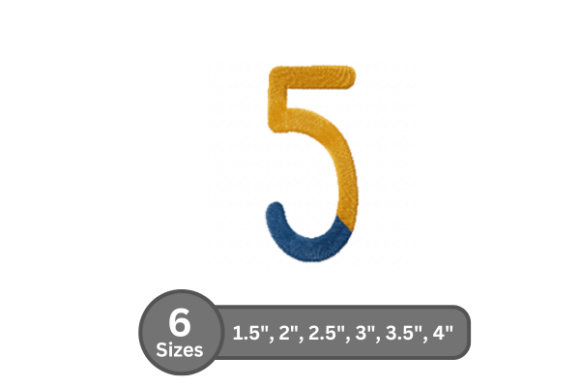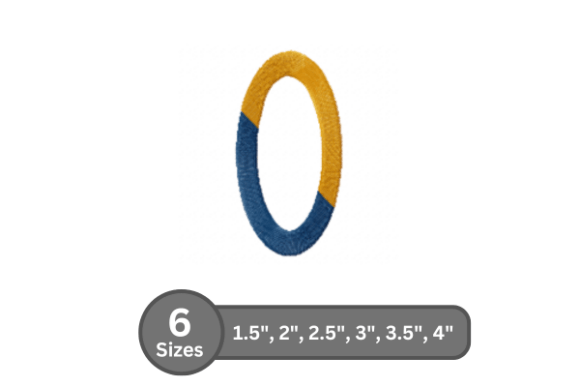
Elevating Embroidery Design: The Strategic Value of Chalk Split Number -0
In the rapidly evolving landscape of textile customization, the line between digital design and physical execution has never been more critical. For professionals in the embroidery industry, from seasoned freelancers to large-scale manufacturing entrepreneurs, the choice of font is not merely an aesthetic decision; it is a technical specification that dictates production efficiency, material durability, and brand perception. Among the diverse array of digital assets available today, Chalk Split Number -0 has emerged as a significant tool for those seeking to merge classic typography with modern digitization standards. This fill stitch embroidery font represents a convergence of artistic style and mechanical precision, offering a solution to the persistent challenges of scaling text without compromising stitch quality.
The Evolution of Digital Typography in Textile Arts
The demand for personalized goods has shifted from a niche hobbyist pursuit to a dominant consumer trend. Whether it is custom apparel for corporate teams, monogrammed home décor, or limited-edition streetwear, the expectation for high-quality, professional-grade stitching continues to rise. In this context, the technology driving these projects must keep pace. Traditional embroidery fonts often struggle when resized, leading to distorted shapes, uneven density, and thread breakage. Chalk Split Number -0 addresses these pain points by being carefully digitized specifically for smooth stitching and professional results. It is designed with the understanding that an embroidery machine operates differently than a printer; it requires specific pathing, underlay strategies, and stitch angles to render complex shapes faithfully.
This font is part of a broader movement toward "smart" digitization, where the software asset anticipates the mechanical limitations of the hardware. As the market becomes saturated with generic designs, creators are looking for unique typographic elements that stand out while remaining technically robust. The "chalk split" aesthetic evokes a sense of rustic charm and handcrafted authenticity, yet the underlying structure is engineered for the speed and consistency of industrial machines. This duality allows businesses to offer a product that feels artisanal but is produced with the reliability required for commercial viability.
Technical Precision Meets Aesthetic Versatility
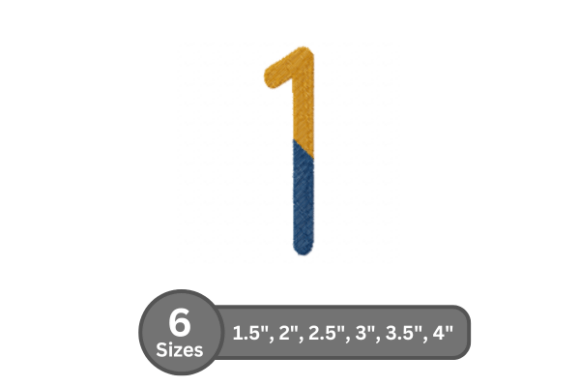
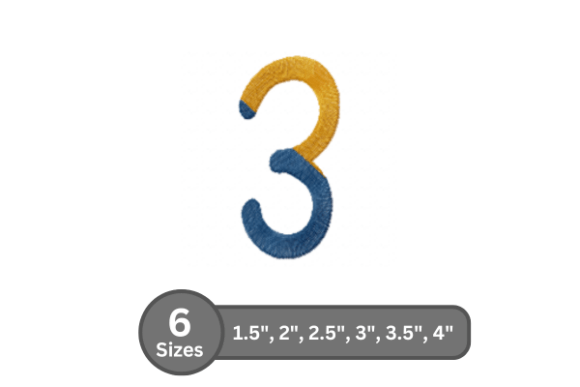
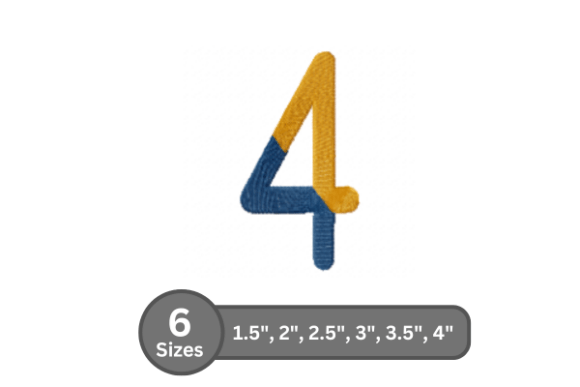
At its core, Chalk Split Number -0 is a fill stitch embroidery font, meaning the letters are constructed using satin or fill stitches to create solid, opaque characters. This technique is essential for legibility on dark fabrics and for creating bold visual statements. However, the true value lies in how the font handles variable sizing. One of the most common workflow bottlenecks for embroiderers is resizing a font only to find that the stitch count becomes unmanageable or the definition is lost. Each letter in this collection comes in multiple sizes, making it versatile for monograms, names, and creative lettering without the need for time-consuming manual re-digitizing.
For the professional embroiderer, this versatility translates directly into time savings and cost reduction. When a client requests a name embroidered on a small hat versus a large tote bag, having a font that scales effectively ensures that the project can be turned around quickly. The careful digitization process ensures that the stitch density remains optimal across different scales, preventing issues like puckering or excessive thread consumption. This attention to detail is what separates a functional design from a premium one. By utilizing a font designed for embroidery machines, creators can guarantee that the final output maintains the integrity of the original design, regardless of the substrate.
Strategic Applications in Modern Markets
The utility of Chalk Split Number -0 extends beyond simple text placement; it serves as a foundational element for branding and storytelling in various sectors. In the realm of personalization, the ability to add a classic and bold stitched look to your projects with this easy-to-use embroidery alphabet font opens new avenues for product differentiation. Consider the growing trend of "quiet luxury" in fashion, where understated elegance and high-quality materials take precedence over loud logos. A well-executed fill stitch font provides exactly this kind of refined finish, suitable for elevating basic garments into bespoke items.
- Apparel Branding: Fashion labels and boutique owners use such fonts to create distinct back-of-neck tags or chest logos that communicate heritage and quality.
- Home Décor Customization: The textured look of the chalk split style complements natural fibers found in towels, throw pillows, and table linens, appealing to consumers who value tactile experiences.
- Corporate Gifts: For businesses looking to provide memorable swag, a professionally stitched monogram on bags or notebooks offers a level of permanence and prestige that screen printing cannot match.
Furthermore, the adaptability of this font supports the increasing demand for on-demand manufacturing. Entrepreneurs operating print-on-demand services or local embroidery shops can integrate Chalk Split Number -0 into their digital libraries to expand their service offerings immediately. The ease of use means that even less experienced operators can achieve professional results, lowering the barrier to entry for high-quality customization while maintaining consistent output standards.
Aligning with Consumer Expectations and Workflow Efficiency
As consumers become more discerning about the products they purchase, the tolerance for poor craftsmanship diminishes. A dropped stitch, a misaligned letter, or a fuzzy edge can ruin the perceived value of an item. This shift in consumer preference drives the need for tools that minimize human error. Chalk Split Number -0 is engineered to reduce these risks. By providing a font that is already optimized for the machine, the operator spends less time troubleshooting and more time focusing on design composition and customer interaction.
Moreover, the changing nature of creative workflows demands flexibility. Designers are no longer confined to static templates; they require dynamic assets that can be manipulated to fit unique design constraints. The fact that each letter comes in multiple sizes allows for creative experimentation. Designers can mix and match sizes to create hierarchical text effects, blend the font with other graphic elements, or adapt the layout to fit irregular surfaces. This flexibility is crucial in a market where uniqueness is the primary currency. Whether creating a playful design for children's clothing or a sophisticated monogram for a wedding party, the font adapts to the narrative of the project.
The Future of Personalization and Professional Tooling
Looking ahead, the integration of high-quality digitized fonts like Chalk Split Number -0 will likely become a standard expectation rather than a competitive advantage. As embroidery technology advances, with faster machines and smarter hooping systems, the quality of the digital file becomes the limiting factor in achieving perfection. Professionals who invest in superior digitization assets now will be better positioned to meet the future demands of speed and quality.
The trend toward hyper-personalization suggests that the ability to quickly and accurately produce custom text will remain a cornerstone of the textile industry. From small-batch startups to established brands, the capacity to deliver a classic and bold stitched look efficiently is a key driver of growth. Chalk Split Number -0 exemplifies the type of resource that bridges the gap between creative vision and mechanical reality. It empowers creators to focus on the artistry of their work, knowing that the technical execution is handled with precision.
In conclusion, the adoption of specialized fonts is not just about adding variety to a design library; it is about committing to a standard of excellence. For professionals, creators, and entrepreneurs, selecting tools that are carefully digitized for smooth stitching and professional results is a strategic move. It reflects an understanding of the market's desire for quality and a commitment to delivering products that withstand scrutiny. As the industry continues to evolve, resources like this font will play a pivotal role in shaping the next generation of embroidered goods, ensuring that every stitch contributes to a cohesive, professional, and enduring final product.