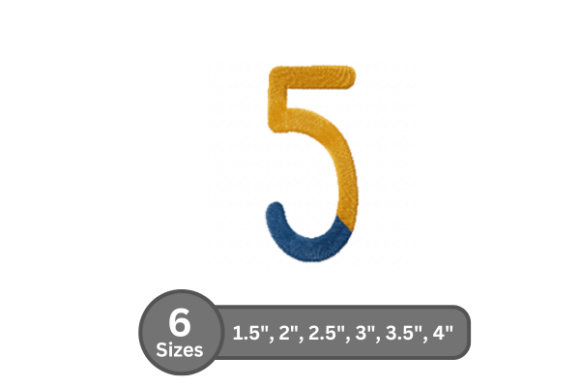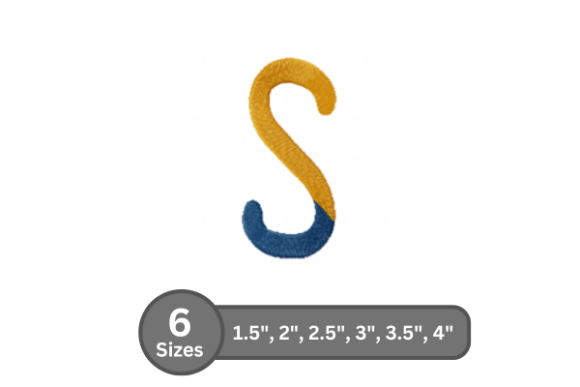
Chalk Split Alphabet -S: A Definitive Guide to Textured Fill Stitch Typography
In the realm of digital embroidery, the choice of font often dictates the visual success and technical execution of a project. While block letters and script styles dominate many design libraries, there is a distinct niche for typography that mimics handcrafted textures. The Chalk Split Alphabet -S emerges as a premier example of this category, offering a unique blend of rustic charm and modern digitization precision. This fill stitch embroidery font is not merely a collection of letters; it is a tool designed to replicate the organic, slightly imperfect aesthetic of chalk on a blackboard or split wood, yet with the reliability required for industrial and hobbyist machines alike.
The Mechanics of Digitized Fill Stitch
Understanding the technical foundation of the Chalk Split Alphabet -S requires a look at how fill stitches are constructed in computer-aided design (CAD) software. Unlike satin stitches, which rely on parallel lines of thread to create smooth edges, fill stitches use complex meandering patterns to cover an area completely. When applied to a font like Chalk Split, the digitizer must carefully map these paths to ensure the "split" effect remains visible without compromising structural integrity.
This specific font has been carefully digitized to prioritize smooth stitching. In many lower-quality fonts, the transition between the dense fill areas and the open "cracks" or splits can cause thread bunching or skipped stitches. However, the algorithm behind Chalk Split Alphabet -S manages density variations effectively. By adjusting the underlay and pull compensation, the resulting embroidery maintains a flat profile even when stitched onto stretchy fabrics or thick towels. This attention to detail ensures that the final output looks professional rather than amateurish, bridging the gap between a quick craft and a high-end custom product.
Visual Characteristics and Texture
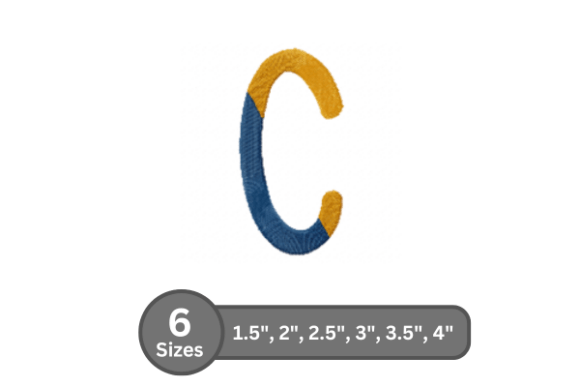
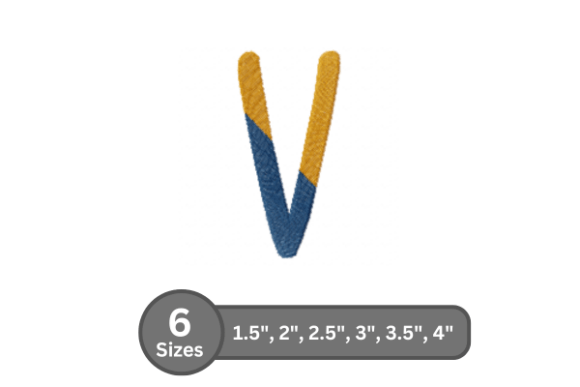
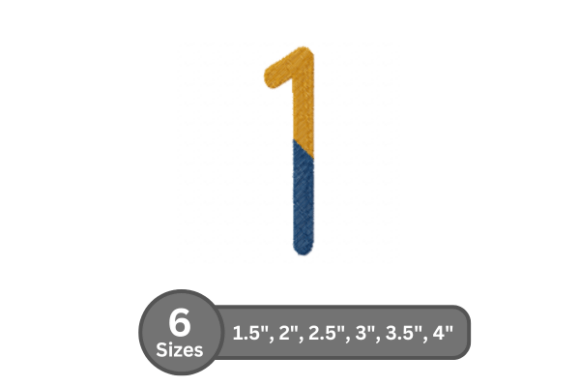
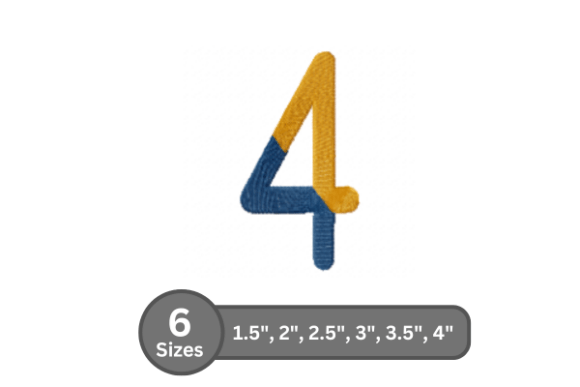
The defining feature of this alphabet is its texture. The name implies a duality: the softness associated with chalk and the ruggedness of a split surface. Visually, the font achieves this through irregular internal boundaries within the letterforms. Instead of solid blocks of color, the letters appear as if they are composed of fragmented pieces held together by the thread itself. This creates depth and shadow, making the text pop off the fabric surface.
For designers seeking to add a classic and bold stitched look to their projects, this texture provides immediate visual interest. It breaks the monotony of standard serif or sans-serif fonts. The "chalk" aspect suggests a playful, educational, or vintage vibe, while the "split" element adds a touch of artisanal grit. This combination makes the font incredibly versatile, capable of fitting into designs ranging from children's nursery décor to rugged outdoor gear branding.
Strategic Applications Across Industries
The versatility of the Chalk Split Alphabet -S extends far beyond simple name tags. Its multi-size capability allows creators to adapt the font for various scales, from tiny monograms on shirt cuffs to large logos on tote bags. Below are several key sectors where this font proves particularly effective.
Personalized Apparel and Accessories
One of the most common uses for this font is in the personalization of clothing and accessories. Embroidery businesses frequently receive requests for items that feel handmade yet durable. When a customer orders a personalized hoodie or a set of kitchen towels, using a font that mimics hand-stitching adds significant perceived value. The Chalk Split style works exceptionally well on denim jackets, canvas aprons, and cotton tees. The textured fill helps the design stand out against the weave of the fabric, ensuring legibility even from a distance.
Home Décor and Lifestyle Products
In the home goods sector, trends often lean towards farmhouse, rustic, and eclectic styles. The Chalk Split Alphabet -S aligns perfectly with these aesthetics. Imagine a throw pillow featuring a family motto or a kitchen towel embroidered with a recipe ingredient list in this font. The visual weight of the fill stitch gives the text a substantial presence, transforming ordinary household items into statement pieces. Furthermore, because the font is available in multiple sizes, it can be used for both dominant headlines and subtle secondary details within a larger composition.
Educational and Institutional Branding
The "chalk" reference naturally lends itself to educational settings. Schools, daycare centers, and tutoring programs often need uniforms or promotional materials that convey a sense of learning and creativity. Using this font for class names, student achievements, or institutional slogans creates a cohesive brand identity. It evokes the nostalgia of a classroom blackboard while maintaining the durability required for institutional wear and tear. The bold nature of the letters ensures that names and titles remain clear and authoritative.
Workflow Integration and Technical Considerations
Integrating the Chalk Split Alphabet -S into an existing embroidery workflow requires understanding its specific file formats and machine compatibility. As a professionally digitized asset, it is typically delivered in standard industry formats such as .DST, .PES, .JEF, and .EXP. This ensures compatibility with major brands of embroidery machines, including Brother, Janome, Tajima, and Barudan.
When preparing a project, users should consider the fabric type. While the font is optimized for smooth stitching, very fine silks or highly elastic knits may require adjustments to stabilizer usage. A cut-away stabilizer is generally recommended for heavy fabrics like denim or fleece to prevent distortion, while a tear-away or water-soluble option might suffice for lighter cottons. The multiple size options included with the font allow for testing different scales before committing to a full production run. This flexibility is crucial for minimizing material waste and ensuring the final result meets quality standards.
Color Theory and Thread Selection
The effectiveness of a fill stitch font also depends heavily on thread selection. Because the Chalk Split design relies on internal texture, using a single color can sometimes flatten the effect. To maximize the "split" appearance, designers might experiment with variegated threads or slightly contrasting shades for the fill versus the outline (if an outline is added). Alternatively, placing the text on a dark background fabric can enhance the "chalk" illusion, making the light-colored thread appear as if it were drawn on the surface. Understanding these interactions allows creators to push the creative boundaries of the font beyond its basic application.
Advantages Over Standard Typography
Why choose a specialized font like Chalk Split Alphabet -S over a standard vector font converted to embroidery? The primary advantage lies in the pre-calculated stitch path. Converting a standard vector graphic to embroidery often results in jagged edges, uneven density, and excessive jump stitches. These issues can lead to puckering and poor registration. In contrast, Chalk Split Alphabet -S is built from the ground up as an embroidery object. Every curve and angle is calculated to minimize needle movement and maximize thread lay.
Furthermore, the time-saving aspect cannot be overstated. For business owners managing tight deadlines, having a library of ready-to-use, high-quality fonts eliminates hours of manual digitizing. The ability to instantly resize letters without losing quality or introducing artifacts streamlines the design process. This efficiency translates directly to profitability, allowing creators to take on more orders or focus on other aspects of their business, such as marketing or customer service.
Real-World Observations and User Feedback
Feedback from the embroidery community highlights the practical utility of this font. Hobbyists often note that the font performs well even on older machines that struggle with complex fills. The simplified yet detailed structure of the letters reduces the likelihood of thread breaks, a common frustration for beginners. Professionals, on the other hand, appreciate the consistency across different batches. Whether stitching ten hats or one thousand, the Chalk Split Alphabet -S delivers uniform results, which is critical for brand consistency.
There are also observations regarding the font's adaptability in mixed-media projects. Some creators combine this embroidery font with screen printing or heat transfer vinyl to create layered effects. The bold, textured nature of the embroidery stands up well against other mediums, adding a tactile dimension that flat printing cannot achieve. This hybrid approach is becoming increasingly popular in the fashion industry, where texture and dimension are key selling points.
Future Trends in Embroidery Typography
As the market for personalized goods continues to grow, the demand for unique, textured typography is expected to rise. Consumers are moving away from generic, mass-produced looks and seeking items that tell a story. Fonts like Chalk Split Alphabet -S, which offer a handcrafted aesthetic, are poised to become staples in the portfolios of forward-thinking designers. The trend towards sustainability also favors high-quality digitization; by producing durable, long-lasting embroidery, manufacturers reduce the need for frequent replacements, aligning with eco-conscious consumer values.
Moreover, advancements in machine technology will only enhance the capabilities of such fonts. Newer machines with faster speeds and higher precision will be able to render the intricate details of the split texture even more accurately. This evolution means that the potential for creative expression using tools like Chalk Split Alphabet -S will continue to expand, opening new avenues for artistic exploration in textile design.
Conclusion on Utility and Value
The Chalk Split Alphabet -S represents a convergence of artistic vision and technical engineering. It solves the problem of achieving a rustic, hand-drawn look with the reliability of machine embroidery. For professionals looking to diversify their offerings, hobbyists seeking to elevate their craft, and businesses aiming to create memorable branded merchandise, this font offers a robust solution. Its careful digitization, versatility in sizing, and ability to work across a wide range of materials make it an essential addition to any embroidery toolkit. By leveraging the unique characteristics of this fill stitch font, creators can transform simple text into compelling visual statements that resonate with audiences across diverse sectors.