DNA Embroidery Design: A Practical Guide to Scientific Motifs in Textile Art
The double helix structure of DNA is one of the most recognizable symbols in modern science, representing the fundamental blueprint of life. In recent years, this scientific icon has transcended laboratories and textbooks to become a popular motif in textile arts and home decor. When considering a DNA embroidery design, it is essential to evaluate not just the aesthetic appeal but also the technical execution, fabric compatibility, and how this specific style compares to other decorative options available to crafters. This guide explores the nuances of integrating biological motifs into fabric projects, offering a balanced perspective on when and how to utilize these designs effectively.
Understanding the Distinctive Nature of DNA Motifs
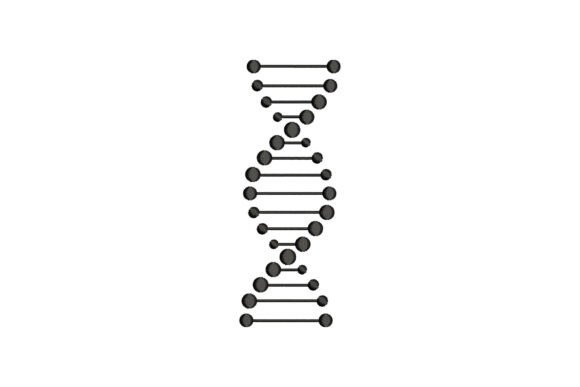
At its core, DNA refers to deoxyribonucleic acid, the molecule that carries genetic instructions. Visually, it is defined by the double helix—a twisted ladder shape composed of two strands winding around each other. What makes a DNA embroidery design distinct from other patterns is its inherent sense of movement and complexity. Unlike static geometric shapes or simple floral prints, the helix implies rotation and depth, requiring careful stitch planning to capture its three-dimensional illusion on a two-dimensional surface.
When selecting a design for your project, the intricacy of the DNA motif plays a crucial role. High-quality machine embroidery files often include variations in stitch density to simulate the twisting nature of the strands. This distinction separates a professional-looking result from a flat, pixelated appearance. The whimsical charm mentioned in many product descriptions stems from the ability to blend hard science with soft textures, creating a juxtaposition that appeals to both STEM enthusiasts and those who appreciate abstract art.
Comparing DNA Designs to Other Popular Embroidery Styles
To make an informed decision, it is helpful to compare DNA motifs against other common categories of embroidery designs, such as floral, geometric, or typographic styles.
- Floral vs. DNA: Floral designs are organic and flowing but often lack the structural rigidity of a DNA helix. While flowers offer a timeless, romantic feel, DNA motifs provide a modern, intellectual edge. If your goal is to create a piece that feels contemporary and slightly quirky, DNA may be a better fit than traditional botanicals.
- Geometric vs. DNA: Geometric patterns rely on straight lines and sharp angles. In contrast, the DNA double helix introduces curves and spirals. For projects where you want to avoid the starkness of pure geometry but still maintain a structured look, the DNA design offers a middle ground that balances order with fluidity.
- Typographic vs. DNA: Text-based embroidery conveys a direct message, whereas a DNA symbol communicates a theme without words. This makes the DNA motif particularly versatile for international audiences or for those who prefer visual storytelling over literal statements.
While floral and geometric options have broader mass-market appeal, the DNA design occupies a niche that is perfect for personalized gifts, educational materials, or decor for professionals in healthcare and biotechnology. It is less about following a trend and more about selecting a symbol with enduring significance.
Evaluating Technical Requirements and File Formats
A critical factor in choosing a machine embroidery design is the availability of compatible file formats. Unlike digital printing, where a single image file can often suffice, machine embroidery requires specific vector data that instructs the needle's path, speed, and thread changes. A robust DNA embroidery design package typically includes multiple formats such as .PES, .DST, .JEF, and .EXP. This variety ensures compatibility with a wide range of embroidery machines, from consumer-grade models like Brother and Janome to industrial systems used in larger production runs.
When comparing resources, consider the limitations of single-format downloads. If a design is only available in one proprietary format, you may find yourself restricted to a specific brand of machine, which can be a significant tradeoff if you plan to upgrade your equipment later or work with different clients. Conversely, multi-format packages offer flexibility but require the user to understand their machine's specific requirements to avoid errors during stitching.
The complexity of the DNA pattern also demands attention to digitization quality. Poorly digitized designs may result in thread bunching, especially in the tight curves of the helix. High-resolution files ensure that the stitches lay flat and that the color transitions between the two strands are smooth. Before committing to a purchase or download, reviewing sample images of the stitched-out design is a prudent step to verify the quality of the digitization.
Fabric Selection and Application Scenarios
The success of any embroidery project depends heavily on the substrate. DNA motifs, with their intricate curves, perform differently on various fabrics compared to simpler designs. Here is how different materials interact with this specific pattern:
- T-shirts and Apparel: Cotton blends and jersey knits are excellent choices for DNA embroidery. However, because the design involves curved lines, stabilizers are crucial to prevent puckering. The whimsical nature of the motif works well on casual wear, adding a unique flair to otherwise plain garments.
- Towels and Linens: Terry cloth presents a challenge due to its looped texture. A dense DNA design might obscure the loops, while a sparse design could get lost. For towels, a simplified version of the helix with fewer stitch counts is often preferable to maintain the fabric's absorbency and texture.
- Pillows and Home Decor: Woven cottons and linens used for pillows provide a stable surface for detailed DNA patterns. These items allow for larger hoop sizes, enabling the full scale of the double helix to be appreciated. The contrast between the scientific symbol and the cozy nature of home textiles creates an engaging visual dynamic.
It is important to recognize that while DNA designs are versatile, they are not universally applicable. For instance, on very sheer fabrics or highly textured materials like velvet, the fine details of the helix may not render clearly. In such cases, alternative designs with bolder lines or simpler shapes might yield a more professional result.
Decision Factors: When to Choose DNA Embroidery
Deciding whether a DNA motif is the right choice for your project involves weighing several factors, including the intended audience, the context of use, and the desired aesthetic impact.
Ideal Situations for DNA Designs
This design is particularly effective when the goal is to convey themes of innovation, biology, or personal identity. It is an excellent option for:
- Educational Projects: Schools and science centers often use embroidered patches or banners to engage students. The tactile nature of embroidery reinforces the learning experience.
- Personalized Gifts: For individuals working in genetics, medicine, or research, a DNA-themed item serves as a meaningful nod to their profession.
- Modern Home Decor: For those seeking to break away from traditional floral or rustic themes, the DNA helix offers a sleek, modern alternative that fits well in contemporary interiors.
Limitations and Alternatives
Despite its strengths, the DNA design is not always the optimal solution. If the target audience is conservative or prefers classic aesthetics, the scientific symbolism might feel out of place. Additionally, if the project requires extremely high-speed production with minimal setup time, the complexity of the helix might slow down the stitching process compared to simpler block-letter or logo designs.
In scenarios where the focus is purely on color blocking or large-scale coverage, a solid geometric pattern might be more efficient. Similarly, if the budget is tight and the available machine cannot handle complex underlays, a simplified outline of the DNA structure rather than a fully filled design would be a more practical approach.
Maximizing Value Through Strategic Implementation
To get the most out of a DNA embroidery design, consider the placement and color palette carefully. Using contrasting thread colors for the two strands of the helix can enhance the 3D effect, making the design pop against the background fabric. Alternatively, using tonal threads on a colored fabric can create a subtle, sophisticated texture that adds depth without overwhelming the viewer.
Furthermore, combining the DNA motif with other elements, such as small text or complementary icons, can expand its utility. However, care must be taken not to overcrowd the design area, as this can compromise the clarity of the helix structure. The balance between detail and simplicity is key to achieving a polished look.
Ultimately, the choice to use a DNA embroidery design should align with your creative vision and technical capabilities. By understanding the unique characteristics of the motif, comparing it to other available styles, and selecting the appropriate tools and fabrics, you can create high-quality textile projects that stand out. Whether for a t-shirt, a towel, or a decorative pillow, the DNA double helix offers a distinctive way to add a touch of scientific whimsy and charm to your work.