Stacked Books: A Practical Guide to Evaluating This Whimsical Embroidery Design
In the realm of machine embroidery, selecting a design that balances aesthetic appeal with technical reliability is often the most critical step in a project. The Stacked Books embroidery design has emerged as a popular choice for crafters looking to add a literary or academic charm to their textile projects. Whether applied to t-shirts, towels, or home decor, this design offers a distinct visual narrative that resonates with book lovers and educators alike. However, before integrating this motif into a production workflow or personal collection, it is essential to evaluate its structural integrity, versatility, and how it compares to alternative stylistic approaches.
This guide provides a balanced assessment of the Stacked Books design, exploring its unique characteristics, suitable applications, and the practical considerations necessary for successful execution. By understanding the strengths and limitations of this specific motif, you can make an informed decision about whether it aligns with your creative goals and technical capabilities.
Defining the Aesthetic and Structure of Stacked Books
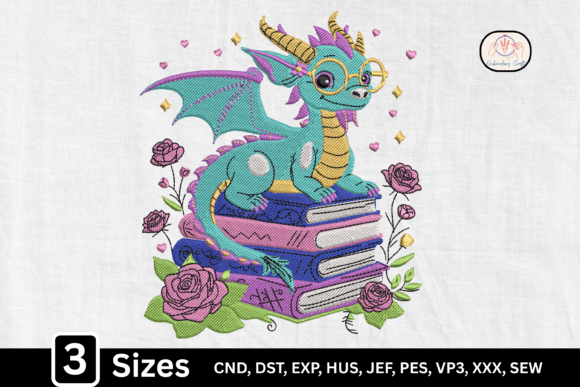
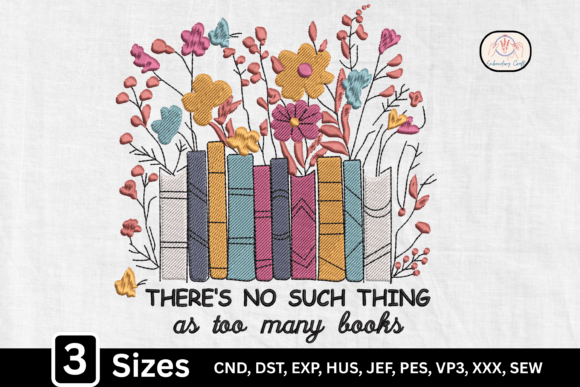
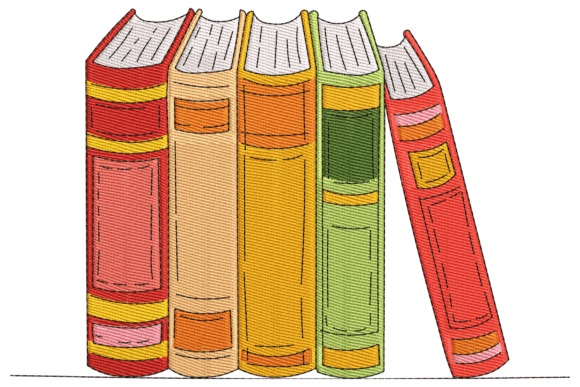
The Stacked Books design is characterized by its composition of multiple volumes arranged in a vertical pile, often featuring varying spine widths, colors, and subtle textural details. Unlike single-object motifs that rely on isolation for impact, this design utilizes density and layering to create depth. The distinctiveness of the pattern lies in its ability to convey a sense of organized chaos—a stack that looks both curated and naturally used.
From a technical standpoint, the design typically employs a combination of satin stitches for the spines and fill stitches for the covers and pages. This hybrid approach allows for crisp edges on the text areas while maintaining a soft, dimensional look on the book bodies. The inclusion of multiple file formats ensures compatibility across a wide range of embroidery machines, from domestic hobbyists' units to industrial multi-head systems. This versatility is a significant factor for users who may switch between different hardware or collaborate with others using varied equipment.
Visual Impact and Composition
The visual weight of the Stacked Books design makes it particularly effective as a focal point. When placed on a garment, such as the left chest of a t-shirt or the cuff of a sleeve, the vertical orientation draws the eye upward, creating a flattering silhouette. On larger surfaces like tote bags or throw pillows, the design can serve as a central anchor, surrounded by complementary elements or left to stand alone as a statement piece. The whimsical nature of the motif—often incorporating slightly askew angles or varied sizes—adds a human touch that rigid, geometric designs frequently lack.
Comparing Stacked Books to Alternative Literary Motifs
When evaluating embroidery options within the literary or educational niche, the Stacked Books design occupies a specific middle ground between minimalist icons and complex scenes. Understanding where it fits in the spectrum of available choices helps clarify its best use cases.
- Single Book Icons: A single open or closed book design is often more compact and requires fewer stitches. While these are excellent for small hoop sizes or detailed areas like hat brims, they lack the visual complexity and "weight" of the stacked arrangement. If space is at a premium, a single icon may be the superior choice.
- Complex Library Scenes: Designs depicting entire bookshelves or library interiors offer a high level of detail but come with significant tradeoffs. They require larger hoops, longer run times, and more thread consumption. For projects requiring quick turnaround or limited fabric area, the Stacked Books design offers a more efficient alternative without sacrificing thematic relevance.
- Text-Heavy Designs: Some literary embroideries focus primarily on typography, such as famous quotes or author names. While impactful, these can sometimes appear flat. The Stacked Books design complements text well, providing a graphical element that grounds the words and adds texture to the overall composition.
The decision often comes down to the balance between detail and efficiency. The Stacked Books design provides enough visual interest to stand out without the logistical challenges of a full scene. It is a pragmatic choice for those who want a recognizable theme without the overhead of a large-scale project.
Evaluating Technical Suitability and Fabric Compatibility
A crucial aspect of choosing any embroidery design is ensuring it performs well on the intended substrate. The Stacked Books design is generally robust, but its performance varies depending on the fabric type and the stabilization method used.
Performance on Apparel
For t-shirts and hoodies, the design's moderate stitch count makes it ideal. Heavy fabrics like fleece or cotton blends can support the density of the fill stitches without puckering, provided appropriate tear-away or cut-away stabilizers are used. The vertical stacking of the books distributes tension evenly, reducing the risk of distortion common in wide, horizontal designs. However, on very thin or stretchy knits, care must be taken to avoid over-stabilizing, which can stiffen the fabric unnaturally.
Application to Home Decor and Linens
Towels, napkins, and pillowcases present a different set of challenges due to their looped or textured surfaces. The Stacked Books design works exceptionally well on towels because the raised texture of the embroidery contrasts nicely with the loops of the fabric. The defined edges of the book spines remain visible even on textured backgrounds. For home decor items like cushion covers, the design adds a tactile dimension that enhances the sensory experience of the room. In these contexts, the whimsical nature of the design contributes to a cozy, inviting atmosphere.
It is important to note that while the design includes multiple file formats, the user must still verify the maximum dimensions against their machine's hoop size. Although the design is scalable, reducing it too much can compromise the legibility of the spine details, while enlarging it beyond recommended limits may cause registration issues or excessive thread usage.
Strengths, Tradeoffs, and Decision Factors
To determine if the Stacked Books design is the right resource for your needs, consider the following factors regarding its strengths and potential limitations.
Key Strengths
- Versatility: The neutral yet charming theme appeals to a broad demographic, making it suitable for gifts, boutique merchandise, or personal projects.
- Format Flexibility: Availability in multiple file formats eliminates the need for conversion software, streamlining the workflow for users with diverse machine brands.
- Visual Depth: The layering technique creates a three-dimensional effect that photographs well and stands out in person.
Potential Tradeoffs
- Stitch Count: Compared to simple line art, the fill stitches required for the book covers increase the run time. This may be a consideration for high-volume commercial production where speed is paramount.
- Thread Consumption: The density of the design means higher thread usage per unit. Users should calculate material costs accurately, especially when pricing finished goods.
- Color Complexity: To achieve the best look, the design often requires multiple thread colors. While this adds realism, it also increases the number of thread changes, which can slow down the process on manual machines.
When to Choose Stacked Books and When to Look Elsewhere
The Stacked Books design is an optimal choice when the goal is to infuse a project with personality and a specific intellectual or cozy vibe. It is particularly well-suited for libraries, schools, bookstores, or individuals who wish to celebrate reading culture. If you are creating a line of products for teachers, librarians, or avid readers, this design offers immediate recognition and emotional resonance.
However, there are scenarios where alternative options might be preferable. If your project requires a highly abstract or modern aesthetic, the literal representation of books might feel too traditional. Similarly, if you are working with extremely delicate fabrics that cannot support the weight of fill stitches, a simpler outline version or a different motif entirely would be safer. Additionally, if color matching is a strict constraint due to brand guidelines, the multi-colored nature of the stacked books could pose a challenge unless custom digitization is performed to adjust the palette.
Ultimately, the value of the Stacked Books design lies in its ability to transform ordinary textiles into conversation starters. By offering a blend of charm and technical reliability, it serves as a strong candidate for a wide array of embroidery projects. As with any design choice, the final decision should be based on a clear understanding of your specific materials, equipment, and the desired outcome. Evaluating these factors ensures that the whimsical touch of the Stacked Books design enhances your project rather than complicating it.