Chalk Split Alphabet -U: A Strategic Asset for Professional Embroidery
In the competitive landscape of custom textile design, the choice of typography often dictates the perceived value of a finished product. Chalk Split Alphabet -U represents more than just a collection of digital letters; it is a carefully engineered tool designed to bridge the gap between creative vision and mechanical execution. This fill stitch embroidery font has been digitized specifically to ensure smooth stitching, minimizing the common pitfalls of thread breaks, puckering, and misalignment that plague lower-quality designs. For entrepreneurs, small business owners, and professional embroiderers, understanding how to leverage this specific asset can significantly enhance operational efficiency and brand positioning.
The strategic utility of Chalk Split Alphabet -U lies in its versatility and technical precision. Unlike generic fonts that require extensive manual editing to function on an embroidery machine, this alphabet comes pre-optimized. Each letter is available in multiple sizes, allowing for immediate scalability without sacrificing structural integrity. Whether you are executing a delicate monogram on a luxury handkerchief or bold lettering on a corporate uniform, the underlying digitization supports consistent outcomes. This reliability is not merely a convenience; it is a critical factor in maintaining production schedules and meeting client expectations in a high-volume environment.
Evaluating Technical Precision and Production Efficiency
When integrating new assets into an embroidery workflow, the primary consideration must be the impact on production time and material waste. Chalk Split Alphabet -U addresses these concerns through its fill stitch architecture. Fill stitches, when executed correctly, provide a solid, opaque coverage that hides the fabric beneath, creating a premium aesthetic. However, poorly digitized fill stitches can result in excessive thread usage and dense areas that strain the fabric.
This font has been crafted to balance density and coverage. The "smooth stitching" capability mentioned in its design specifications translates directly to reduced downtime. Operators spend less time troubleshooting skipped stitches or re-running jobs due to tension issues. For a business owner managing a team of machines, this reduction in friction allows for a higher throughput of orders. It shifts the focus from reactive problem-solving to proactive project management. By selecting a font that performs reliably out of the box, decision-makers can allocate resources toward marketing, customer service, or expanding their design portfolio rather than fixing technical errors.
Furthermore, the availability of multiple sizes within the Chalk Split Alphabet -U set eliminates the need for complex resizing operations that can distort vector paths. Resizing a standard font often requires re-digitizing to adjust underlay and pull compensation. With this font, the variations are pre-calculated, ensuring that the stitch count remains optimal regardless of the scale. This feature is particularly valuable for projects requiring mixed sizing, such as family names where a surname needs to be larger than individual first names, or monograms where the central letter dominates the composition.
Strategic Applications in Branding and Personalization
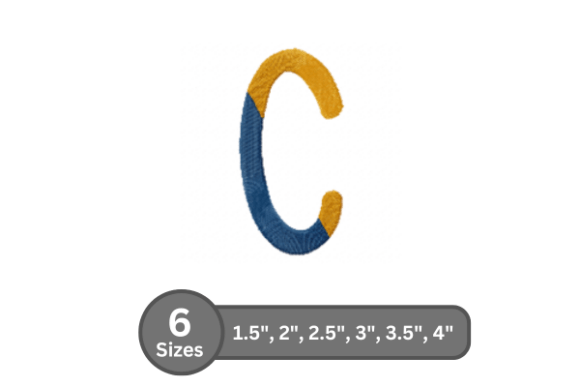
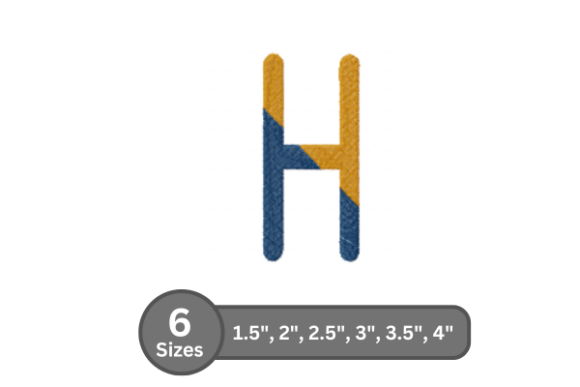
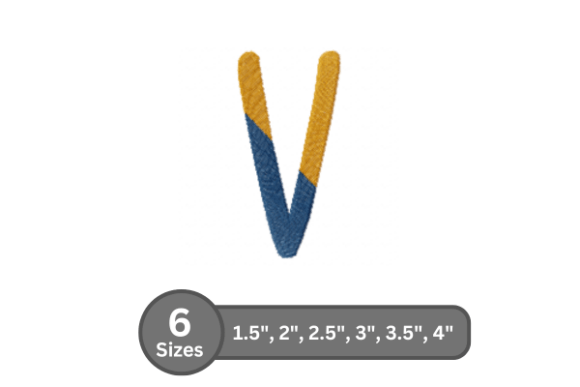
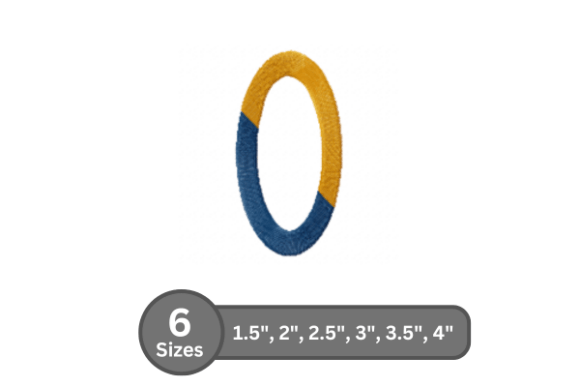
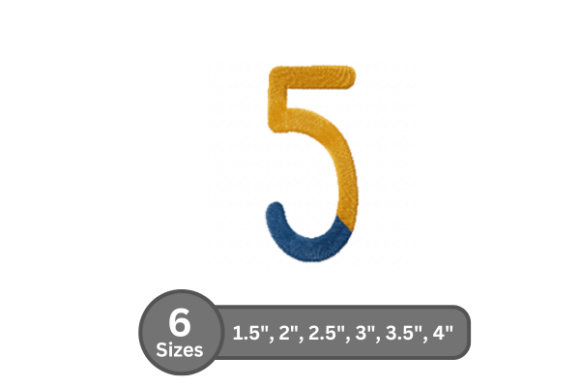
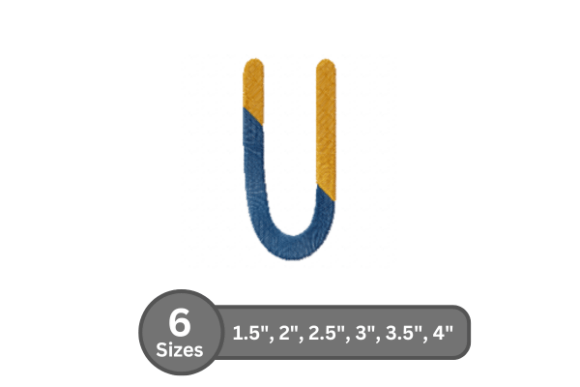
Beyond the mechanics of stitching, the visual language of Chalk Split Alphabet -U serves a distinct branding purpose. The "chalk split" aesthetic evokes a sense of classic, bold character with a textured, handcrafted feel. This style resonates well with specific market segments, including boutique apparel brands, educational institutions, and home décor lines seeking a vintage or artisanal appeal. Using this font intentionally allows creators to communicate a specific narrative about quality and tradition.
Consider the application of this font across different mediums:
- Corporate Apparel: For companies aiming to project a blend of professionalism and approachability, this font offers a departure from the sterile look of standard sans-serif block letters. It adds personality to uniforms and promotional items without compromising legibility.
- Luxury Home Décor: On towels, throw pillows, and table linens, the bold stitched look enhances the tactile experience of the product. The fill stitch provides a raised texture that invites touch, increasing the perceived value of the item.
- Personalized Gifts: In the gifting sector, where emotional connection drives sales, the ability to customize names and monograms quickly is essential. The versatility of Chalk Split Alphabet -U allows for rapid customization while maintaining a high-end finish.
Decision-makers should view the adoption of this font as part of a broader strategy to differentiate their offerings. In a market saturated with generic embroidery, the choice of typeface becomes a key differentiator. By consistently using a font that delivers a polished, professional result, businesses build a reputation for attention to detail. This consistency reinforces brand identity and fosters customer loyalty.
Planning for Long-Term Value and Scalability
To maximize the return on investment for any digital asset, it must be integrated into a long-term planning framework. Chalk Split Alphabet -U is most effective when used as a core component of a standardized design library. Rather than treating it as a one-off novelty, forward-thinking operators should incorporate it into their standard templates for recurring projects. This approach streamlines the quoting process, as the stitch counts and run times become predictable variables.
Strategic planning also involves anticipating future trends and client demands. The classic nature of this font ensures it will not quickly fall out of fashion, unlike trend-driven scripts that may date a product within a single season. Investing in timeless typography protects the longevity of a business's design catalog. Additionally, the ease of use associated with this font lowers the barrier to entry for less experienced operators, facilitating training and workforce development. When new staff members can produce professional results immediately, the learning curve flattens, and overall team productivity rises.
However, successful implementation requires a clear understanding of context. Not every project benefits from a bold, split-chalk aesthetic. Before committing to this font for a client deliverable, evaluate the fabric type, the garment structure, and the intended message. For instance, on very fine, sheer fabrics, the density of a fill stitch might be too heavy, potentially distorting the material. In such cases, a switch to a satin stitch variant or a different font family might be more appropriate. The strategic user knows when to apply Chalk Split Alphabet -U and when to hold back, ensuring that the design always serves the function of the garment.
Risks of Unintentional Usage
While Chalk Split Alphabet -U offers significant advantages, relying on it without clear goals can lead to suboptimal results. The risk lies in over-application. If a designer uses this font indiscriminately across all projects, the unique character of the work diminishes. Clients may begin to perceive the output as formulaic rather than bespoke. Furthermore, ignoring the specific requirements of the substrate—such as using a heavy fill stitch on a lightweight knit without proper stabilization—can ruin the final product, leading to returns and reputational damage.
Another potential pitfall is the assumption that the font requires no further adjustment. While it is digitized for smooth stitching, every embroidery machine and fabric combination behaves differently. A strategic operator will still perform test runs on scrap fabric before committing to a full production run. Treating the font as a "set it and forget it" solution ignores the nuances of the physical embroidery process. The technology supports the craft, but it does not replace the need for skilled oversight.
Integrating Chalk Split Alphabet -U into Your Workflow
To achieve the best results, integrate Chalk Split Alphabet -U into your workflow with intention. Start by auditing your current project types. Identify which categories would benefit most from a bold, classic look. Create a dedicated folder in your embroidery software for this font, organizing it by size and style variation. This organization reduces search time during the design phase, contributing to faster turnaround times.
Next, establish guidelines for its use. Determine the minimum and maximum sizes that yield the best results on your specific machines. Document the recommended stabilizers and hoop settings for various fabric types when using this font. Sharing these protocols with your team ensures consistency across all outputs. By treating the font as a strategic resource rather than a simple file download, you elevate the quality of your entire operation.
Ultimately, the value of Chalk Split Alphabet -U is realized not just in the beauty of the stitched letter, but in the confidence it instills in the production process. It empowers creators to focus on the bigger picture of their business—client relationships, brand growth, and creative innovation—knowing that the foundational element of their text-based designs is secure, reliable, and professionally executed. In the world of custom embroidery, where details define success, choosing the right tools is the first step toward achieving lasting results.