Spicy Book: Elevating Textiles Through Digital Embroidery Design
The intersection of traditional textile arts and modern digital technology has created a vibrant landscape for creators seeking to transform ordinary materials into extraordinary works. At the heart of this evolution lies the concept of high-quality digital patterns that bridge the gap between imagination and physical reality. One such innovation is the Spicy Book digital embroidery design, a versatile asset crafted to add artistic depth and intricate detail to a wide array of projects. Whether you are a seasoned professional in the fashion industry, a hobbyist looking to personalize home decor, or a small business owner aiming to expand your product line, understanding how to leverage these digital files can significantly enhance your creative output.
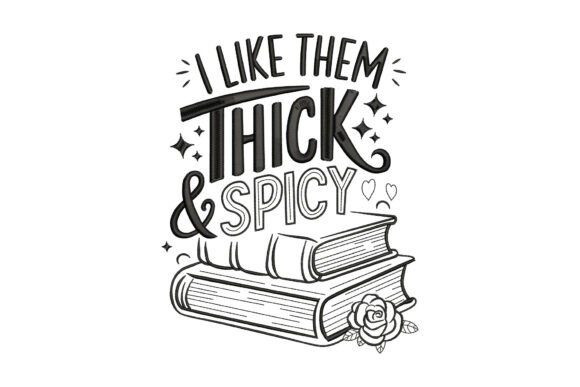
Digital embroidery designs have revolutionized the way we approach fabric customization. Unlike hand-stitching, which relies entirely on manual dexterity and time-intensive processes, machine embroidery allows for precision, repeatability, and complex detailing that was previously difficult to achieve at scale. The Spicy Book design exemplifies this potential, offering a structured yet flexible framework for adding unique flair to garments, accessories, and soft furnishings. By utilizing this specific design, creators can move beyond basic monograms or simple logos to incorporate rich textures and layered visual interest that capture attention and convey a distinct aesthetic identity.
The Versatility of Machine-Ready Digital Files
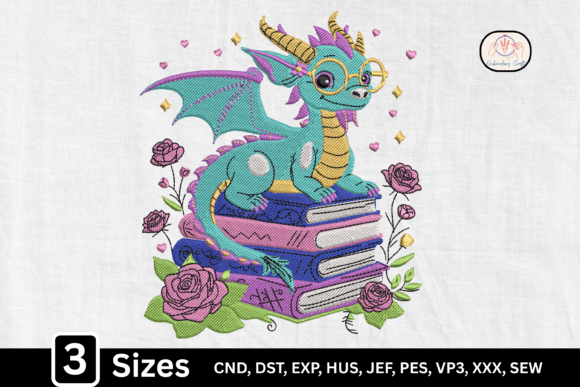
A critical advantage of the Spicy Book collection is its compatibility with a broad spectrum of embroidery machines. In the past, one of the most significant barriers to entry for digital embroidery was the fragmentation of file formats. Different manufacturers utilized proprietary systems, forcing users to purchase expensive conversion software or stick strictly to machines from a single brand. Today, comprehensive design packages like this one address that friction by including multiple embroidery file formats within a single download.
This multi-format approach ensures that whether you operate a domestic hobby machine, a mid-range commercial unit, or an industrial hoop system, you can seamlessly integrate the design into your workflow. Common formats included in such packages often cover major brands like Brother, Janome, Bernina, Husqvarna Viking, and Pfaff. This universality democratizes access to high-end design elements, allowing a diverse range of users to experiment with sophisticated patterns without being tethered to specific hardware ecosystems. For educators teaching textile arts, this flexibility means students can work on various machines within a classroom setting, all accessing the same high-quality source material.
Understanding Format Compatibility and Workflow Efficiency
When working with digital assets, the efficiency of your workflow is paramount. The ability to import a design directly into your machine's interface or preferred digitizing software streamlines the production process. With the Spicy Book design, the inclusion of varied formats eliminates the need for third-party converters, which can sometimes introduce errors or degrade stitch quality. Direct compatibility ensures that the stitch count, density, and underlay settings intended by the designer remain intact during the transfer process.
For professionals managing tight deadlines, this reliability is non-negotiable. A single corrupted file or a failed conversion can halt production lines and delay deliveries. By providing robust, tested files across different standards, the design package acts as a safeguard against technical hiccups. Furthermore, it allows for easy experimentation; a user might test the design on a smaller hoop using one format and then scale it up for a larger garment using another, knowing the structural integrity of the pattern will hold firm.
Transforming Ordinary Fabrics into Artistic Statements
The true power of a digital embroidery design lies in its ability to elevate the substrate. Plain cotton tees, sturdy denim jackets, delicate silk scarves, and heavy canvas tote bags often lack personality until they are adorned with a compelling motif. The Spicy Book design serves as a transformative agent, turning these mundane items into conversation starters and personalized treasures. The intricate details embedded within the pattern interact with the texture of the fabric, creating a tactile experience that flat printing simply cannot replicate.
Consider the application of this design on a simple linen shirt. Without embellishment, the garment is functional but forgettable. Once the digital pattern is stitched onto the chest or cuff, the interplay of thread colors and stitch directions adds dimension and shadow. The raised texture of the embroidery catches the light differently than the surrounding fabric, drawing the eye and suggesting a level of craftsmanship that implies luxury. This transformation is not merely cosmetic; it alters the perceived value of the item, making it suitable for gifting, retail sale, or personal branding.
Strategic Placement and Fabric Selection
To maximize the impact of the Spicy Book design, careful consideration must be given to both placement and fabric choice. While the design is versatile, certain fabrics respond better to dense stitching than others. Stable fabrics like twill, denim, and medium-weight cotton provide an ideal foundation, preventing puckering and ensuring the stitches sit flat. Conversely, stretchy knits or very sheer materials may require additional stabilizers or adjustments to the tension settings to maintain the design's integrity.
Placement also plays a crucial role in the overall aesthetic. Centering the design on the back of a jacket creates a bold statement piece, while positioning it subtly on a collar or pocket offers a touch of understated elegance. For handmade gifts, placing the design on a quilt square or a pillowcase can turn a standard craft project into a heirloom-quality item. The adaptability of the pattern allows it to fit various scales, meaning it can be resized slightly to suit different areas without losing its defining characteristics, provided the stitch density is managed correctly.
Applications Across Diverse Creative Sectors
The utility of the Spicy Book digital embroidery design extends far beyond the home crafter. Its professional-grade quality makes it a valuable resource for several industries. Small business owners in the apparel sector can use this design to create limited-edition collections, differentiating their products in a saturated market. By offering items with unique, high-detail embroidery, businesses can command higher price points and build a reputation for quality.
In the realm of education, instructors can utilize this design to teach students about digitizing principles, stitch types, and color theory. Analyzing how the design manages transitions between colors or how it constructs complex shapes provides a practical case study for learners. Researchers studying textile trends might also find value in examining how digital patterns influence consumer preferences for customized goods, noting the shift towards personalized, machine-made artistry over mass-produced prints.
- Fashion and Apparel: Customizing streetwear, formal wear, and uniforms with distinctive motifs.
- Home Decor: Enhancing cushions, curtains, table runners, and wall hangings with textured art.
- Gift Personalization: Creating bespoke items for weddings, anniversaries, and corporate events.
- Textile Education: Serving as a reference for advanced stitching techniques and machine operation.
- Brand Identity: Developing unique merchandise for organizations and startups to reinforce brand recognition.
Technical Considerations for Optimal Results
While the Spicy Book design is engineered for ease of use, achieving the best possible result requires a fundamental understanding of machine embroidery mechanics. One key factor is the selection of appropriate stabilizers. Even the most perfectly digitized design can fail if the fabric lacks sufficient support during the stitching process. Water-soluble, tear-away, or cut-away stabilizers should be chosen based on the weight of the fabric and the density of the pattern. For heavier sections of the design, a more robust stabilizer prevents shifting and ensures the final product remains crisp.
Thread selection is another variable that influences the outcome. Polyester threads offer durability and sheen, making them ideal for items that will undergo frequent washing, while rayon threads provide a softer luster suitable for decorative pieces. Cotton threads blend well with natural fibers, offering a matte finish that complements organic fabrics. Matching the thread type to the intended use of the finished product ensures longevity and maintains the aesthetic appeal of the Spicy Book pattern over time.
Managing Stitch Density and Underlay
The success of any digital embroidery design hinges on the balance between stitch density and underlay. Too many stitches in a small area can cause the fabric to pucker, distorting the image and potentially damaging the material. Conversely, insufficient density can lead to gaps where the fabric shows through, weakening the visual impact. The Spicy Book design has been optimized to strike this balance, but users should still perform test runs on scrap fabric before committing to a final piece. Adjusting the speed of the machine and checking the tension settings can further refine the appearance, ensuring that the satin stitches are smooth and the fill stitches are even.
Furthermore, the underlay stitches play a silent but vital role. They anchor the top stitches to the fabric and prevent shifting during the embroidery process. A well-designed underlay structure ensures that the final image sits flush against the material, regardless of the fabric's weave. Understanding these technical nuances empowers users to troubleshoot issues effectively and produce consistent, professional-quality results every time.
The Future of Customized Textile Arts
As technology continues to advance, the accessibility of high-quality digital embroidery designs like Spicy Book will only grow. We are moving towards an era where customization is expected rather than exceptional. Consumers increasingly seek products that reflect their individuality, driving demand for tools that allow for rapid, high-fidelity personalization. This trend benefits everyone from independent artisans to large-scale manufacturers who wish to offer made-to-order services.
The integration of digital designs into everyday crafting and professional production signifies a broader cultural shift towards valuing the handmade, even when assisted by machines. It represents a fusion of human creativity and mechanical precision, resulting in objects that carry both the soul of the creator and the consistency of modern engineering. By embracing resources like the Spicy Book design, creators position themselves at the forefront of this movement, ready to transform ordinary fabrics into stunning pieces that resonate with audiences worldwide.
Ultimately, the journey from a digital file to a finished embroidered masterpiece is a testament to the enduring appeal of textile arts. Whether used to brighten a dull room, customize a uniform, or create a heartfelt gift, the potential for expression is limitless. As you explore the capabilities of this design, remember that the true magic lies not just in the pattern itself, but in the hands that bring it to life. With the right tools, knowledge, and vision, the possibilities for transforming fabric into art are boundless.