Senior Class of 2026 Bow Embroidery
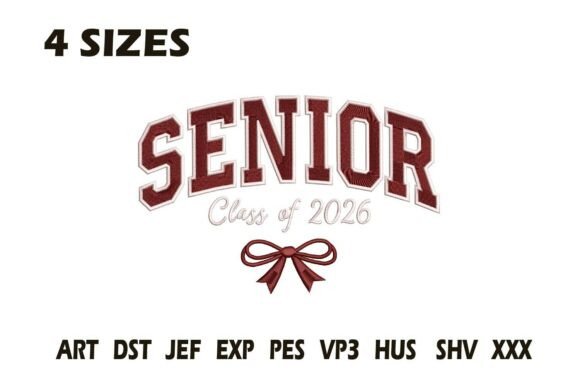
The Senior Class of 2026 Bow Embroidery design represents more than just a decorative motif; it is a strategic asset for creators, small business owners, and hobbyists looking to capitalize on the upcoming graduation season. This playful embroidery pattern features a whimsical bow that adds immediate charm to various textile surfaces. Whether you are managing a custom apparel business, planning a family keepsake project, or curating home decor items, integrating this specific design into your workflow requires careful planning regarding file formats, fabric selection, and machine compatibility. Understanding how this design functions within a broader production process ensures high-quality results and efficient execution.
Understanding the Design and Its Role in Production
The Senior Class of 2026 Bow Embroidery is engineered to be versatile, offering a balance between detailed stitching and structural integrity. In a professional context, this design serves as a focal point for branding or personalization. Unlike generic text-only designs, the inclusion of a bow introduces texture and visual interest, which can elevate the perceived value of a product. For entrepreneurs, this means the design can command a higher price point when applied to premium substrates like heavy cotton towels or structured denim jackets.
From a workflow perspective, this design fits into the "asset preparation" phase of any embroidery project. Before a single stitch is made, the creator must evaluate the design's dimensions relative to the intended item. The whimsical nature of the bow suggests it works best on items where a touch of personality is desired, such as t-shirts for a class party, napkins for a graduation dinner, or tote bags for promotional giveaways. Recognizing these use cases early allows for better inventory management and material procurement.
Evaluating File Formats and Machine Compatibility
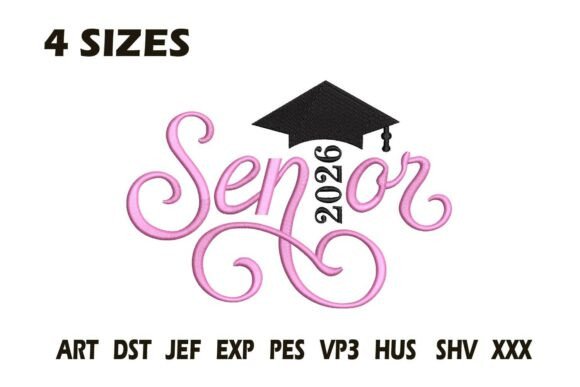
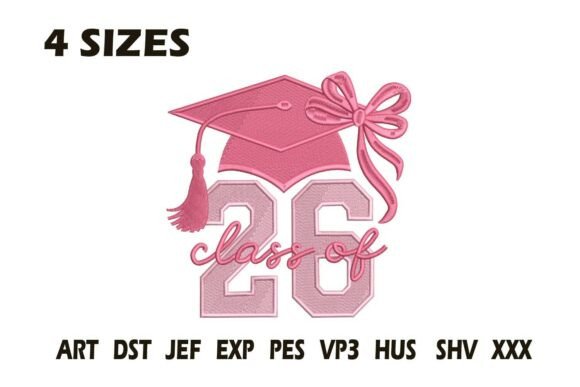
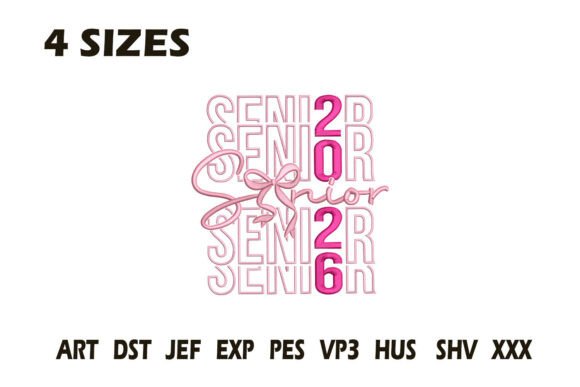
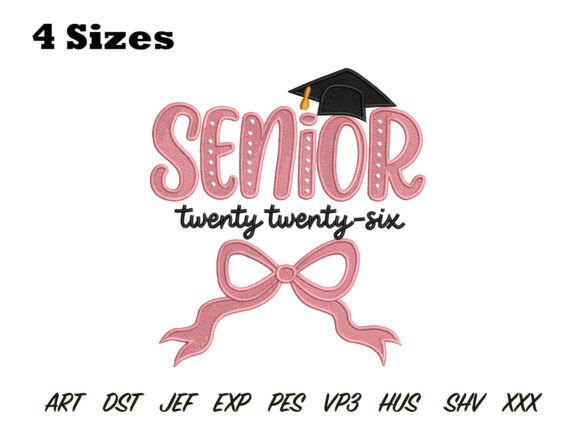
A critical component of successfully implementing the Senior Class of 2026 Bow Embroidery is ensuring compatibility with your specific hardware. This design package includes multiple embroidery file formats, a feature that significantly reduces friction in the production pipeline. Different embroidery machines require different file types—Brother machines typically use .PES, Bernina uses .ART, and Tajima utilizes .DST. Having access to these varied formats eliminates the need for third-party conversion software, which can sometimes introduce errors or alter stitch density.
When integrating this design into your workflow, begin by verifying the hoop size requirements against your machine's capabilities. The bow design may have specific width and height constraints that dictate whether it fits in a 4x4 inch hoop or requires a larger 5x7 inch frame. Testing the file on a scrap piece of fabric before committing to a final product is a standard quality control measure. This step allows you to adjust tension settings and stabilize the fabric appropriately, ensuring the final output matches the digital preview.
Strategic Implementation Across Different Projects
The versatility of the Senior Class of 2026 Bow Embroidery allows it to be deployed at various stages of a creative or business project. For instance, during the planning phase of a graduation event, organizers can use this design to create cohesive merchandise. By applying the same motif across t-shirts, aprons, and table runners, a unified aesthetic is achieved without extensive graphic design work. This consistency reinforces the theme and creates a memorable experience for participants.
In a commercial setting, such as a local print shop or a boutique, this design can be used to test new marketing angles. A business owner might produce a limited run of embroidered hoodies featuring the bow to gauge customer interest in personalized graduation gifts. If the response is positive, the design becomes a staple for the season. Conversely, if the market prefers simpler text, the data gathered from this initial batch informs future purchasing decisions. This iterative approach minimizes risk and maximizes resource efficiency.
Optimizing Fabric Selection and Stabilization
The success of any embroidery project hinges on the interaction between the design, the fabric, and the stabilizer. The Senior Class of 2026 Bow Embroidery features curves and loops inherent to the bow shape, which can be challenging on stretchy or thin materials. To achieve professional results, it is essential to select the appropriate stabilizer type. Cut-away stabilizers provide long-term support for stretchy knits, while tear-away options work well for woven fabrics like cotton shirts or towels.
For home decor applications, such as pillowcases or throw blankets, the weight of the fabric often dictates the needle choice and thread tension. Heavier fabrics may require a larger needle size (e.g., 90/14) to penetrate cleanly without puckering. During the execution phase, hooping the fabric tightly is non-negotiable. Any slack in the fabric can lead to registration issues, causing the bow's symmetry to appear distorted. Proper organization of these variables ensures that the whimsical touch remains crisp and charming rather than messy.
Workflow Integration and Efficiency Tips
To integrate the Senior Class of 2026 Bow Embroidery smoothly into an existing routine, consider batching similar tasks. If you are producing multiple items, set up your workspace to handle all the hooping and stabilization first, followed by the embroidery run, and finally the finishing touches. This assembly-line approach reduces downtime between projects and increases overall throughput. It also allows for consistent quality checks, as you can compare each finished item against a master sample immediately after production.
Digital organization is equally important. Store the various file formats of the design in a clearly labeled folder structure on your computer or cloud storage. Naming conventions should include the year, design name, and compatible machine brands (e.g., "2026_Bow_PES_Brother"). This level of organization saves time when clients request specific file types or when you switch between different machines in a shared studio environment. Efficient file management prevents last-minute scrambling and ensures that deadlines are met without stress.
Quality Control and Long-Term Usability
As you move through the production process, maintaining a focus on quality control is vital. After the embroidery cycle completes, inspect the back of the stitching to ensure there are no loose threads or excessive stabilizer residue. Trim any stray threads carefully to maintain the clean look of the bow. For items that will undergo frequent washing, such as towels or t-shirts, verify that the thread colorfastness is suitable. High-quality polyester or rayon threads are generally recommended for their durability and sheen.
Looking beyond the immediate project, the Senior Class of 2026 Bow Embroidery offers long-term utility. While the year "2026" anchors it to a specific graduating class, the bow motif itself is timeless. Creators can modify the design slightly—perhaps removing the text or changing the color scheme—to repurpose it for other occasions like weddings, baby showers, or general gift-giving. This adaptability extends the lifespan of the asset, providing a return on investment that goes beyond a single season.
Collaboration and Resource Management
For teams or collaborative groups, such as school clubs or co-working spaces, this design facilitates clear communication. When sharing the design with others, ensure that everyone has access to the correct file format for their assigned machine. Establishing a protocol for testing and approving samples before mass production helps prevent costly mistakes. Clear documentation of the steps taken—from file loading to hoop placement—serves as a training tool for new team members, ensuring that the whimsical charm of the design is consistently replicated.
Furthermore, leveraging community resources can enhance the implementation process. Online forums and social media groups dedicated to embroidery often share tips on specific machine settings for complex designs like bows. Engaging with these communities can provide insights into thread brand recommendations or alternative stabilization techniques that might improve your specific workflow. By staying informed and connected, you can continuously refine your process and deliver superior results.
Final Thoughts on Execution
The Senior Class of 2026 Bow Embroidery is a practical tool that bridges the gap between creative vision and tangible product. By approaching its use with a methodical mindset, focusing on compatibility, preparation, and quality assurance, you can transform simple fabrics into cherished keepsakes or profitable merchandise. Whether you are a seasoned professional or a hobbyist exploring new techniques, the key lies in understanding the mechanics of the design and integrating it thoughtfully into your unique workflow. With proper planning and execution, this playful embroidery design will bring a lasting touch of charm to your projects for years to come.