Floating Books: A Captivating Embroidery Design
There is a distinct magic in the idea of books that defy gravity, hovering effortlessly in mid-air. This concept transforms a simple literary symbol into a dynamic visual statement, and that is exactly what the Floating Books machine embroidery design delivers. Unlike static imagery that sits flat against a background, this design captures motion and whimsy, making it an instant conversation starter on any fabric surface. Whether you are looking to add a touch of intellectual charm to a t-shirt or bring a storybook feel to home linens, this pattern offers a lively and creative touch that brings personality to any item.
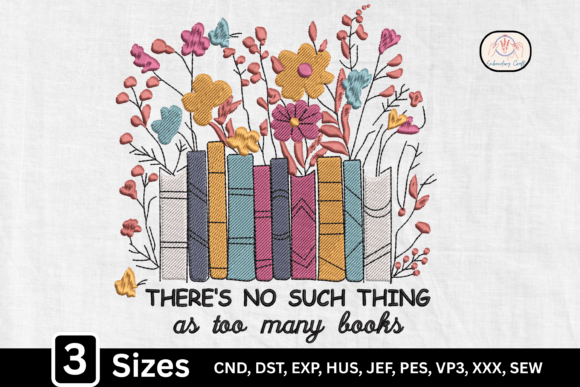
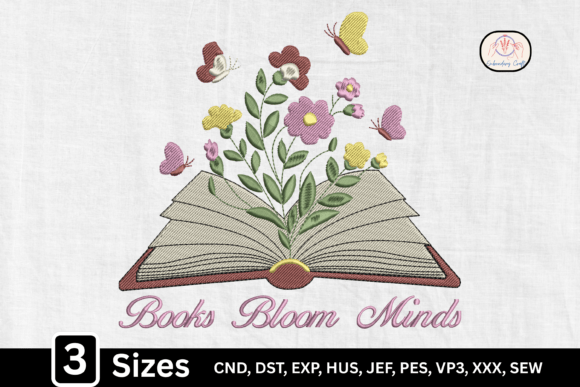
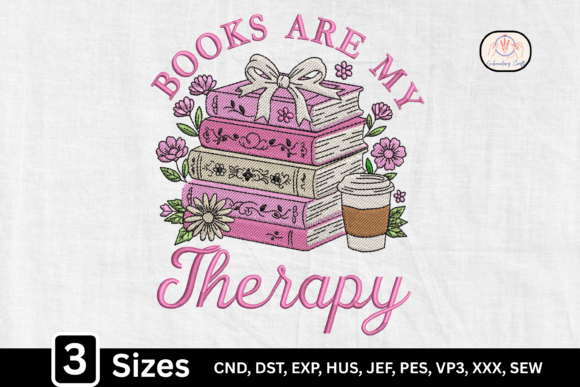
The appeal of Floating Books lies in its ability to bridge the gap between nostalgia and modern aesthetics. It speaks directly to readers, educators, librarians, and anyone who views literature as an adventure. The visual characteristics of the design typically feature open volumes with pages fluttering as if caught in a gentle breeze, often accompanied by subtle details like bookmarks or floating text elements. This isn't just a picture of a book; it is a celebration of the reading experience itself, rendered in thread with enough detail to stand out but enough simplicity to stitch cleanly on various materials.
Bringing Whimsy to Textiles and Home Decor
When selecting a design for your next project, context is everything. The Floating Books motif is remarkably versatile, adapting well to both soft goods and structured items. For clothing enthusiasts, this design works beautifully on the chest pocket area of a denim jacket or centered on the back of a cotton hoodie. The organic lines of the floating pages contrast nicely with the rigid weave of denim, creating a textured look that feels handmade and thoughtful.
In the realm of home decor, the potential expands significantly. Imagine a set of bath towels where the Floating Books pattern appears in a corner, suggesting a cozy reading nook by the bathtub. Or consider throw pillows for a living room library; the tactile nature of embroidery adds a layer of sophistication that printed graphics simply cannot match. Because this is a machine embroidery design, the raised texture of the stitches catches the light, giving the books a three-dimensional quality that makes them appear to truly hover above the fabric.
This versatility extends to accessories as well. Tote bags, aprons for bakers who love recipe books, and even children's bibs can benefit from this playful imagery. The design scales effectively, meaning it retains its clarity whether stitched small on a cuff or large on a table runner. For small business owners selling custom goods, offering a design with such broad appeal allows you to target multiple niches simultaneously without needing a completely new inventory strategy.
Technical Flexibility and Machine Compatibility
One of the most practical advantages of the Floating Books design is its technical adaptability. In the world of digital crafting, file compatibility can often be a bottleneck. However, this package comes equipped with multiple embroidery file formats, ensuring that you can use it with virtually any major brand of embroidery machine. Whether you are working with a Brother, Bernina, Janome, or Pfaff, the likelihood of finding a compatible format is extremely high.
Having access to these varied formats means you can integrate this design seamlessly into your existing workflow. You do not need to worry about complex conversions or losing stitch data during the transfer process. The design files are optimized to run smoothly, minimizing the risk of thread breaks or registration issues that can plague poorly digitized patterns. This reliability is crucial for entrepreneurs who need to produce consistent batches of merchandise for clients or retail sales.
Furthermore, the digitization of Floating Books takes into account the nuances of different fabric types. The stitch density is balanced to prevent puckering on lighter fabrics like linen or silk while providing enough coverage to look solid on heavier canvases like canvas tote bags. This attention to detail in the digitizing process ensures that the final product looks professional, regardless of the substrate you choose to work with.
Strategic Applications for Branding and Identity
For designers and marketers, the Floating Books motif offers more than just decoration; it serves as a powerful tool for brand identity. In a crowded marketplace, visual storytelling is essential. Using this design on promotional items for a bookstore, a publishing house, or an educational workshop immediately communicates values of learning, imagination, and creativity. It acts as a visual shorthand that resonates deeply with your target audience.
Consider the impact on social media graphics when paired with physical products. A photo of a branded tote bag featuring the Floating Books embroidery creates a cohesive narrative across digital and physical channels. It reinforces the brand's personality as one that appreciates the arts and intellect. This consistency helps build recognition and trust among consumers who value authenticity in their purchases.
While this article focuses on the embroidery aspect, the aesthetic principles behind the design—such as the balance of negative space and the flow of the pages—are applicable to broader design assets. If you were to translate this concept into a logo design or packaging design, the same sense of movement and wonder would apply. It is a creative font-like approach to imagery, where the "type" is the object itself, conveying a message without needing words.
Practical Guidance for Implementation
To get the most out of the Floating Books design, careful planning is key. Start by evaluating the fit of the design for your specific project. Consider the size of the hoop on your machine and ensure the design fits within those dimensions without requiring awkward re-hooping that could misalign the stitches. Testing the design on a scrap piece of similar fabric is always recommended before committing to a final product.
Color selection plays a pivotal role in how the design is perceived. While black or navy blue threads offer a classic, scholarly look, experimenting with pastels or vibrant hues can make the books pop against neutral backgrounds. Think about the emotional response you want to evoke; warm tones might suggest comfort and nostalgia, while cool tones could imply mystery and depth.
Finally, keep commercial licensing in mind. As a creator or business owner, understanding the terms of use for your design assets is vital. Ensure that the license covers your intended volume of production and distribution. With the right preparation and a clear vision, the Floating Books embroidery design can become a signature element in your portfolio, elevating your work from simple crafts to meaningful, personalized art.